OpenSimWorld is the directory of 3D Virtual Worlds based on OpenSimulator and connected through the HyperGrid. Learn More
New Members
Easternwoodpecker, Sylvio96, TomSaytom, MizuNao, Kirsteen, AfterLife, Zafiro2sweet, KrysNotorious, Kiran, Biacarter, Hermine, VeronicaR, PuckRickenbacker, Caremel225, ManiVarinsdottir, RiahX, Sindy Sweet, Rogue71, Yawncaster, VanillaLikes

Something is stirring beneath the desert sands...
An idea is slowly taking shape.
A place unlike anything we've created before.
We won't tell you what is coming.
We won't tell you what you will find.
Some secrets are far more fun when they are discovered.
All we can say is this:
Once you enter, you may find it very difficult to leave.
Oasis of Veils is coming...
Built by Nyla & Dante, powered by sand, stubbornness, and a complete lack of normal hobbies. 😏
An idea is slowly taking shape.
A place unlike anything we've created before.
We won't tell you what is coming.
We won't tell you what you will find.
Some secrets are far more fun when they are discovered.
All we can say is this:
Once you enter, you may find it very difficult to leave.
Oasis of Veils is coming...
Built by Nyla & Dante, powered by sand, stubbornness, and a complete lack of normal hobbies. 😏

Khiron Ametza - LIVE!
Please come join us for a wonderful show at our beautiful new place!
3PM Tuesday!
hop://groovyverse.com:8002/Chateau%20Bahia/588/466/82
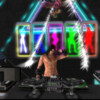

♥ OCTOBER ROSE SPECIAL PARTY ♥
★ Together against breast cancer
On Tuesday, October 6, the Event Beach Club on BloodMoon Grid will turn pink for a very special evening dedicated to October Rose.
✦ DJ CAM will be behind the decks for a night of music, dancing and good vibes — but above all, for a cause that matters.
♥ DRESS CODE: ALL IN PINK! ♥
Wear pink and come light up the dance floor with us!
★ Together against breast cancer
On Tuesday, October 6, the Event Beach Club on BloodMoon Grid will turn pink for a very special evening dedicated to October Rose.
✦ DJ CAM will be behind the decks for a night of music, dancing and good vibes — but above all, for a cause that matters.
♥ DRESS CODE: ALL IN PINK! ♥
Wear pink and come light up the dance floor with us!

THE DAVE KING EXPERIENCE
WHO: Dave King
WHAT: Singing Live & Taking Requests
WHEN: Tuesday's 11am - Noon Grid Time
Time Note:
SLT = Second Life Time
PST = Pacific Standard Time
HOW: Come As You Are, with all our bits properly covered
WHERE: hop://login.twiztidtimez.com:8002/Bar-Bus-Bay/439/74/22
Listen: http://198.245.61.188:8080
WHO: Dave King
WHAT: Singing Live & Taking Requests
WHEN: Tuesday's 11am - Noon Grid Time
Time Note:
SLT = Second Life Time
PST = Pacific Standard Time
HOW: Come As You Are, with all our bits properly covered
WHERE: hop://login.twiztidtimez.com:8002/Bar-Bus-Bay/439/74/22
Listen: http://198.245.61.188:8080


The Dave King Experience at Echo Canyon Live Tuesdays at 11am
Dave sings several genres of music to cover, country, Classic Rock, Oldies and more.
Dave will be streaming in world, Twitch, Youtube, and TuneIn Radio app on Q103 Internet Radio
Today Dave will start out with some country favorites and then who knows
Where he will go from there..
So come out to Echo Canyon Live and jump on the Dance floor for an hour of live singing and fun.
Dave loves to do requests off of his song list which is in his board on stage.
See you there
hop://login.twiztidtimez.com:8002/Bar-Bus-Bay/253/253/23
Dave sings several genres of music to cover, country, Classic Rock, Oldies and more.
Dave will be streaming in world, Twitch, Youtube, and TuneIn Radio app on Q103 Internet Radio
Today Dave will start out with some country favorites and then who knows
Where he will go from there..
So come out to Echo Canyon Live and jump on the Dance floor for an hour of live singing and fun.
Dave loves to do requests off of his song list which is in his board on stage.
See you there
hop://login.twiztidtimez.com:8002/Bar-Bus-Bay/253/253/23
regions free x all
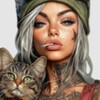
WHO'S UP FOR A GAME OF GREEDY? happening 8AM-10AM GRID Time, TODAY is the day!
Coffee is ready, Cookies are baked, The seats are cleaned!
And the dice are polished!
Everything is ready for a Morning of fun, laughs, and good conversation.
Come join us for a game of GREEDY and some sociability?
See you soon!
hop://login.linkup-grid.com:8002/LinkUp%20Welcome/212/50/2...
Coffee is ready, Cookies are baked, The seats are cleaned!
And the dice are polished!
Everything is ready for a Morning of fun, laughs, and good conversation.
Come join us for a game of GREEDY and some sociability?
See you soon!
hop://login.linkup-grid.com:8002/LinkUp%20Welcome/212/50/2...

DJ Dragon Lady @ The Morning Breakfast Show
Region: Alternate Metaverse
Event begins: 2026-10-06 06:00 SLT
Added by: Cataplexia Numbers✦
Details:
DJ Dragon Lady , bringing you 2 hours of incredible selection of music! Put on your dancing shoes and come on down to The Party Stage at Alternate Metaverse
We are looking forward to seeing you all here :)
hop://alternatemetaverse.com:8002/Alternate%20Metaverse/36...
Region: Alternate Metaverse
Event begins: 2026-10-06 06:00 SLT
Added by: Cataplexia Numbers✦
Details:
DJ Dragon Lady , bringing you 2 hours of incredible selection of music! Put on your dancing shoes and come on down to The Party Stage at Alternate Metaverse
We are looking forward to seeing you all here :)
hop://alternatemetaverse.com:8002/Alternate%20Metaverse/36...
 | Tyler Mathews: More great tunes from Dragonlady.. Come listen and support her 6-8am Breakfast show! 8 hours ago |
It seems I am the brunt of jokes and sillyness but being made fun of is not good I cannot deal with opensim like this so closed New Atlantis and will take break somewhere private without being made fool of ...
| | VeronicaR: Nearly 70 just too old for this taking a break to somewhere I not be made out to be joke. Its not funny I cannot deal with this no more here 9 hours ago |


✨ EXPOSITION BY APHRA HENDRIX ✨ - AT OSFEST 2026
Step beyond reality. Enter the world of Aphra Hendrix.
What happens when art, fantasy and virtual worlds collide?
Enter a universe where dreamlike landscapes meet mysterious characters and where every image opens a door to another story.
Aphra Hendrix invites you on a visual journey through digital art, fantasy, surreal worlds and pure imagination - a collection created not simply to be seen, but to be experienced.
Some images tell a story.
Some hide one.
And some simply ask you to step inside.
✨ Art becomes a world.
🌙 Imagination becomes reality.
🖼️ And the journey begins here.
EXPOSITION BY APHRA HENDRIX - - - OSFEST 2026
Come closer. -- Leave the ordinary behind. -- Enter Aphra’s world.
Step beyond reality. Enter the world of Aphra Hendrix.
What happens when art, fantasy and virtual worlds collide?
Enter a universe where dreamlike landscapes meet mysterious characters and where every image opens a door to another story.
Aphra Hendrix invites you on a visual journey through digital art, fantasy, surreal worlds and pure imagination - a collection created not simply to be seen, but to be experienced.
Some images tell a story.
Some hide one.
And some simply ask you to step inside.
✨ Art becomes a world.
🌙 Imagination becomes reality.
🖼️ And the journey begins here.
EXPOSITION BY APHRA HENDRIX - - - OSFEST 2026
Come closer. -- Leave the ordinary behind. -- Enter Aphra’s world.

BLA BLA BLA MAGAZINE IS BACK!
After a little break, Bla Bla Bla Magazine is returning — and we’re getting ready for our December Issue!
This time around, the magazine is changing things up. Rather than publishing every month, Bla Bla Bla Magazine will now be published every 3 months, bringing you bigger features, more stories, more places to discover, and plenty of OpenSim goodness!
WINTER GRIDS & REGIONS — WE WANT YOU!
Are you the owner, creator or manager of a Winter-themed Grid or Region?
Have you transformed your virtual world into a snowy wonderland, festive village, Christmas market, winter adventure, magical landscape or somewhere simply spectacular?
We want to showcase YOU in the December Issue!
I’m currently looking for Winter Grids and Regions that would like to be featured in Bla Bla Bla Magazine, giving readers the opportunity to discover your location and experience what you have created.
GOT WINTER EVENTS?
We also want to hear about your December events!
If you have Christmas parties, live music, DJs, markets, festivals, winter activities, celebrations, competitions, gatherings or other special events happening during December, send them our way!
Let everyone know what's happening!
Let readers discover your Winter locations!
Put your events in front of the OpenSim community!
The goal is to have the December Issue ready for everyone to enjoy on 1st December, packed with wonderful Winter destinations and December happenings from across the OpenSim community.
WANT TO BE FEATURED?
If you would like your Winter Grid, Region or December Events considered for the December Issue, please get in touch with me and send:
Your Grid / Region name
Your Winter location or landmark
A little information about your location
Your December events and dates
Any photographs or promotional images you'd like included
Any important links or Hypergrid information
Whether you're running a spectacular Winter Wonderland or simply hosting a few festive events for friends and visitors, we want to hear from you!
Bla Bla Bla Magazine is coming back — and we're ready to make some noise!
So, Winter creators, Grid owners, Region owners, event organisers and Christmas enthusiasts...
DON'T BE SHY — COME AND BLA BLA BLA WITH US!
Bla Bla Bla Magazine
Discovering the places, people, stories and happenings that make OpenSim special.
Contact Sofee Supermarine on LinkUp Grid or via Opensimworld.
After a little break, Bla Bla Bla Magazine is returning — and we’re getting ready for our December Issue!
This time around, the magazine is changing things up. Rather than publishing every month, Bla Bla Bla Magazine will now be published every 3 months, bringing you bigger features, more stories, more places to discover, and plenty of OpenSim goodness!
WINTER GRIDS & REGIONS — WE WANT YOU!
Are you the owner, creator or manager of a Winter-themed Grid or Region?
Have you transformed your virtual world into a snowy wonderland, festive village, Christmas market, winter adventure, magical landscape or somewhere simply spectacular?
We want to showcase YOU in the December Issue!
I’m currently looking for Winter Grids and Regions that would like to be featured in Bla Bla Bla Magazine, giving readers the opportunity to discover your location and experience what you have created.
GOT WINTER EVENTS?
We also want to hear about your December events!
If you have Christmas parties, live music, DJs, markets, festivals, winter activities, celebrations, competitions, gatherings or other special events happening during December, send them our way!
Let everyone know what's happening!
Let readers discover your Winter locations!
Put your events in front of the OpenSim community!
The goal is to have the December Issue ready for everyone to enjoy on 1st December, packed with wonderful Winter destinations and December happenings from across the OpenSim community.
WANT TO BE FEATURED?
If you would like your Winter Grid, Region or December Events considered for the December Issue, please get in touch with me and send:
Your Grid / Region name
Your Winter location or landmark
A little information about your location
Your December events and dates
Any photographs or promotional images you'd like included
Any important links or Hypergrid information
Whether you're running a spectacular Winter Wonderland or simply hosting a few festive events for friends and visitors, we want to hear from you!
Bla Bla Bla Magazine is coming back — and we're ready to make some noise!
So, Winter creators, Grid owners, Region owners, event organisers and Christmas enthusiasts...
DON'T BE SHY — COME AND BLA BLA BLA WITH US!
Bla Bla Bla Magazine
Discovering the places, people, stories and happenings that make OpenSim special.
Contact Sofee Supermarine on LinkUp Grid or via Opensimworld.
Snow Rider: Why I Can’t Stop Chasing “One More Run”
The first time I played Snow Rider https://snowridergame.io , I honestly expected something casual—like, “ride downhill, dodge a few things, move on.” Instead, it hit me with that instant, automatic rush where you’re already sprinting before your brain finishes waking up. The sled just goes, the slope keeps coming, and suddenly you’re locked in: trees, rocks, snowmen—everything materializes like it’s personally offended you.
And that’s the problem. The game doesn’t let you settle. One clean dodge feels amazing… right up until the track tightens, the hazards bunch up, and you realize you’re playing a reflex sport disguised as an endless runner.
Automatic downhill chaos (and the reflex training nobody asked for)
The vibe is pure downhill momentum. You don’t “start” your speed the way you do in some games—you just react as the world rushes past. Your job is to steer with intent, then decide whether you’re jumping now or absorbing the hit somehow.
What surprised me most is how much of the early success is timing, not just reaction. If you only react at the moment you see danger, you’ll get that familiar wipeout feeling: that split-second panic where you steer, it’s almost perfect, and then the obstacle laughs and you collide anyway.
I started getting better when I stopped staring at the lane right in front of me and started scanning farther down the slope. It’s not “seeing everything,” but it’s about catching patterns—like realizing the next section will funnel you into narrower space, or that the gap timing will probably line up with the next turn.
The track keeps getting meaner (narrow paths, sudden gaps, no mercy)
After a while, the game escalates in a way that makes you feel your mistakes. The track doesn’t just add obstacles—it tightens the margins. Sections get narrow, visibility can feel cramped, and you’ll hit moments where steering alone isn’t enough.
That’s when the hardest decisions land: do you dodge and risk clipping the edge, or do you jump over the hazard and hope the landing doesn’t screw up your next line? These aren’t big dramatic choices either. It’s tiny—like a fraction of a second where you either commit to a jump or you don’t.
I’ve had runs where I felt like I was cruising, then suddenly there’s a gap, a tree is waiting for my exact timing, and I’m juggling jump control and steering at the same time. That’s the addictive part. Your brain starts predicting, not just reacting. When you get it right, it feels like you “bought” that clean trajectory with every earlier second you paid attention.
The Gift Box grind: risky detours with real rewards
Let’s talk about the gift boxes. They look harmless—like, “Oh cool, free stuff!”—but grabbing them can turn into a mini mission inside a run that already wants you to fail.
The trick is that gift boxes don’t just reward you for being fast. They reward you for taking the right kind of risk. Sometimes you need to detour slightly, and if you chase them too hard, you’ll end up target-fixated. I’ve done it: I get locked on the collectible and suddenly the obstacle is closer than it should be. Disaster is inches away, and I’m still trying to “thread the needle” like I didn’t just watch the game teach me a lesson five minutes ago.
What helped me is using the gift box as part of the plan, not the plan itself. If grabbing it forces an awkward line through narrow sections, I’ll sometimes pass and come back mentally in the next run. But if the timing feels clean—if the jump window lines up and I can steer without breaking rhythm—that’s when the reward feels worth the gamble. High risk, high reward, and sometimes you even land it and keep flowing like nothing happened.
My survival rules (learned from near-misses and very rude wipeouts)
Here are the habits that keep me alive long enough to chase higher runs:
Look ahead, not just at danger. I actively scan the slope for the next constraint—narrow sections, upcoming gaps, and where you’ll need a jump before you “need” it.
Practice jump timing over gaps like it’s a rhythm. If you jump too early, you land wrong. Too late, and you collide. The best jumps feel almost calm, even when the track is screaming.
Avoid target fixation. If you’re aiming your brain at a collectible, you might miss the obstacle that’s about to ruin your day. Collecting is great—surviving is mandatory.
And yeah, I still mess up. Sometimes I wipe out right before I’m close to a high score, like the game knows I’m feeling confident. Other times, I stumble into a chaotic patch and somehow thread through it clean—those runs make me want to play again immediately, like I “earned” the momentum.
One more run, and this time I swear I’ll nail it
That’s the loop: automatic speed, escalating chaos, risky gift box grabs, and that obsession with shaving off mistakes until you finally get a clean run through the parts that used to wreck you.
If you haven’t tried Snow Rider https://snowridergame.io yet, go. And when you get a near-miss—when you live through a moment that should’ve ended you—don’t stop there. Sit back for five seconds, then hop on your sled again.
Because the only thing worse than failing is realizing you were one jump timing adjustment away from greatness… and you still haven’t made it.
The first time I played Snow Rider https://snowridergame.io , I honestly expected something casual—like, “ride downhill, dodge a few things, move on.” Instead, it hit me with that instant, automatic rush where you’re already sprinting before your brain finishes waking up. The sled just goes, the slope keeps coming, and suddenly you’re locked in: trees, rocks, snowmen—everything materializes like it’s personally offended you.
And that’s the problem. The game doesn’t let you settle. One clean dodge feels amazing… right up until the track tightens, the hazards bunch up, and you realize you’re playing a reflex sport disguised as an endless runner.
Automatic downhill chaos (and the reflex training nobody asked for)
The vibe is pure downhill momentum. You don’t “start” your speed the way you do in some games—you just react as the world rushes past. Your job is to steer with intent, then decide whether you’re jumping now or absorbing the hit somehow.
What surprised me most is how much of the early success is timing, not just reaction. If you only react at the moment you see danger, you’ll get that familiar wipeout feeling: that split-second panic where you steer, it’s almost perfect, and then the obstacle laughs and you collide anyway.
I started getting better when I stopped staring at the lane right in front of me and started scanning farther down the slope. It’s not “seeing everything,” but it’s about catching patterns—like realizing the next section will funnel you into narrower space, or that the gap timing will probably line up with the next turn.
The track keeps getting meaner (narrow paths, sudden gaps, no mercy)
After a while, the game escalates in a way that makes you feel your mistakes. The track doesn’t just add obstacles—it tightens the margins. Sections get narrow, visibility can feel cramped, and you’ll hit moments where steering alone isn’t enough.
That’s when the hardest decisions land: do you dodge and risk clipping the edge, or do you jump over the hazard and hope the landing doesn’t screw up your next line? These aren’t big dramatic choices either. It’s tiny—like a fraction of a second where you either commit to a jump or you don’t.
I’ve had runs where I felt like I was cruising, then suddenly there’s a gap, a tree is waiting for my exact timing, and I’m juggling jump control and steering at the same time. That’s the addictive part. Your brain starts predicting, not just reacting. When you get it right, it feels like you “bought” that clean trajectory with every earlier second you paid attention.
The Gift Box grind: risky detours with real rewards
Let’s talk about the gift boxes. They look harmless—like, “Oh cool, free stuff!”—but grabbing them can turn into a mini mission inside a run that already wants you to fail.
The trick is that gift boxes don’t just reward you for being fast. They reward you for taking the right kind of risk. Sometimes you need to detour slightly, and if you chase them too hard, you’ll end up target-fixated. I’ve done it: I get locked on the collectible and suddenly the obstacle is closer than it should be. Disaster is inches away, and I’m still trying to “thread the needle” like I didn’t just watch the game teach me a lesson five minutes ago.
What helped me is using the gift box as part of the plan, not the plan itself. If grabbing it forces an awkward line through narrow sections, I’ll sometimes pass and come back mentally in the next run. But if the timing feels clean—if the jump window lines up and I can steer without breaking rhythm—that’s when the reward feels worth the gamble. High risk, high reward, and sometimes you even land it and keep flowing like nothing happened.
My survival rules (learned from near-misses and very rude wipeouts)
Here are the habits that keep me alive long enough to chase higher runs:
Look ahead, not just at danger. I actively scan the slope for the next constraint—narrow sections, upcoming gaps, and where you’ll need a jump before you “need” it.
Practice jump timing over gaps like it’s a rhythm. If you jump too early, you land wrong. Too late, and you collide. The best jumps feel almost calm, even when the track is screaming.
Avoid target fixation. If you’re aiming your brain at a collectible, you might miss the obstacle that’s about to ruin your day. Collecting is great—surviving is mandatory.
And yeah, I still mess up. Sometimes I wipe out right before I’m close to a high score, like the game knows I’m feeling confident. Other times, I stumble into a chaotic patch and somehow thread through it clean—those runs make me want to play again immediately, like I “earned” the momentum.
One more run, and this time I swear I’ll nail it
That’s the loop: automatic speed, escalating chaos, risky gift box grabs, and that obsession with shaving off mistakes until you finally get a clean run through the parts that used to wreck you.
If you haven’t tried Snow Rider https://snowridergame.io yet, go. And when you get a near-miss—when you live through a moment that should’ve ended you—don’t stop there. Sit back for five seconds, then hop on your sled again.
Because the only thing worse than failing is realizing you were one jump timing adjustment away from greatness… and you still haven’t made it.
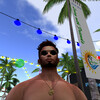
NEW Release SN Lea Bikini
-LaraX
-Legacy
-Reborn
-Color HUD
-unpacker incl.
Alltime Moneygiver inside Mainstore
~NO RESELL~
Follow us on Facebook:
https://www.facebook.com/profile.php?id=61590355868643
Mainstore:
soul-grid.de:8002:Super Nova Beach Resort
-LaraX
-Legacy
-Reborn
-Color HUD
-unpacker incl.
Alltime Moneygiver inside Mainstore
~NO RESELL~
Follow us on Facebook:
https://www.facebook.com/profile.php?id=61590355868643
Mainstore:
soul-grid.de:8002:Super Nova Beach Resort
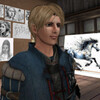
Die Audienz vom 4.Oktober
Zum Ende der Audienz wurden Sir Elyion und Lady Nargol nochmal nach vorne gerufen vors Podest. Prinz Lennard bedankte sich ganz offitiell im Namen des Königshauses von Carima bei den beiden.
Für die umsichtige, strategische Meisterleistung bei der hervorragenden Führung aller Einsatzkräfte im Kampf gegen die grünen Orks.
https://carimasketchbook.blogspot.com/2026/10/die-audienz-...
Für die umsichtige, strategische Meisterleistung bei der hervorragenden Führung aller Einsatzkräfte im Kampf gegen die grünen Orks.
https://carimasketchbook.blogspot.com/2026/10/die-audienz-...
DJ Lumos Daily Late Night Party
Region: Alternate Metaverse
Event begins: 2026-10-05 22:00 SLT
Added by: Cataplexia Numbers✦
Details:
Live on stage at the landingpoint every Wednesday. He loves the sea and his boat
Lets check in and join his tunes for the 2 hours, everybody is welcome
Come for a original mix of fun tunes and music, bringing you a world of the unknown,Normally: Playing a wide variety of "Oldies" from the 70s to modern day, especially lesser known songs from well -known artists.
hop://alternatemetaverse.com:8002/Alternate%20Metaverse/35...
Region: Alternate Metaverse
Event begins: 2026-10-05 22:00 SLT
Added by: Cataplexia Numbers✦
Details:
Live on stage at the landingpoint every Wednesday. He loves the sea and his boat
Lets check in and join his tunes for the 2 hours, everybody is welcome
Come for a original mix of fun tunes and music, bringing you a world of the unknown,Normally: Playing a wide variety of "Oldies" from the 70s to modern day, especially lesser known songs from well -known artists.
hop://alternatemetaverse.com:8002/Alternate%20Metaverse/35...
If you have a go at finding the various film links dotted around the sim and wish to check out one you think you saw then use this link to see:-
https://www.youtube.com/@ruritania-osg
Not all are yet on that page but I will add to it as I get time. If you think you spotted one that's not in that list just ask me.
Good luck hunting... Xi
https://www.youtube.com/@ruritania-osg
Not all are yet on that page but I will add to it as I get time. If you think you spotted one that's not in that list just ask me.
Good luck hunting... Xi

OSFEST 2026 is OCTOBER 12–26! GRID OWNERS, SHOWCASE YOUR WORLD! Put your grid in front of the OpenSim community at OSFest 2026! ⭐ SPONSOR OSFEST No building required. We’ll do the setup! Asteroid Sponsor — $5 Asteroids will be floating around the Dance Area. Limited space. Send your 1024 × 1024 PNG logo for Square or 1024 x 700 for Rectangle by October 8th and Hop to: opensimfest@gmail.com
⭐ SPANISH
¡OSFEST 2026 es del 12 al 26 de octubre!
¡PROPIETARIOS DE GRIDS, MUESTREN SU MUNDO!
Presenta tu grid ante la comunidad de OpenSim en OSFest 2026.
⭐ PATROCINA OSFEST
No se requiere construcción — ¡nosotros hacemos la instalación!
Patrocinio Asteroide — $5
Los asteroides flotarán alrededor del área de baile. Espacio limitado.
Envía tu logo PNG 1024 × 1024 (cuadrado) o 1024 × 700 (rectangular) antes del 8 de octubre a:
opensimfest@gmail.com
⭐ ITALIAN
OSFEST 2026 si terrà dal 12 al 26 ottobre!
PROPRIETARI DI GRID, MOSTRATE IL VOSTRO MONDO!
Presentate il vostro grid alla comunità di OpenSim durante OSFest 2026.
⭐ SPONSORIZZA OSFEST
Non è richiesta alcuna costruzione — ci occupiamo noi dell’allestimento!
Sponsor Asteroide — $5
Gli asteroidi fluttueranno intorno all’area da ballo. Spazio limitato.
Invia il tuo logo PNG 1024 × 1024 (quadrato) o 1024 × 700 (rettangolare) entro l’8 ottobre a:
opensimfest@gmail.com
⭐ MANDARIN CHINESE (Simplified)
OSFEST 2026 将在 10 月 12–26 日举行!
网格拥有者们,展示你的世界!
在 OSFest 2026 向 OpenSim 社区展示你的网格。
⭐ 赞助 OSFEST
无需建造——我们会为你完成所有布置!
小行星赞助 — $5
小行星将漂浮在舞蹈区域周围。名额有限。
请在 10 月 8 日 前发送你的 1024 × 1024 PNG(方形) 或 1024 × 700(长方形) 标志至:
opensimfest@gmail.com
⭐ SPANISH
¡OSFEST 2026 es del 12 al 26 de octubre!
¡PROPIETARIOS DE GRIDS, MUESTREN SU MUNDO!
Presenta tu grid ante la comunidad de OpenSim en OSFest 2026.
⭐ PATROCINA OSFEST
No se requiere construcción — ¡nosotros hacemos la instalación!
Patrocinio Asteroide — $5
Los asteroides flotarán alrededor del área de baile. Espacio limitado.
Envía tu logo PNG 1024 × 1024 (cuadrado) o 1024 × 700 (rectangular) antes del 8 de octubre a:
opensimfest@gmail.com
⭐ ITALIAN
OSFEST 2026 si terrà dal 12 al 26 ottobre!
PROPRIETARI DI GRID, MOSTRATE IL VOSTRO MONDO!
Presentate il vostro grid alla comunità di OpenSim durante OSFest 2026.
⭐ SPONSORIZZA OSFEST
Non è richiesta alcuna costruzione — ci occupiamo noi dell’allestimento!
Sponsor Asteroide — $5
Gli asteroidi fluttueranno intorno all’area da ballo. Spazio limitato.
Invia il tuo logo PNG 1024 × 1024 (quadrato) o 1024 × 700 (rettangolare) entro l’8 ottobre a:
opensimfest@gmail.com
⭐ MANDARIN CHINESE (Simplified)
OSFEST 2026 将在 10 月 12–26 日举行!
网格拥有者们,展示你的世界!
在 OSFest 2026 向 OpenSim 社区展示你的网格。
⭐ 赞助 OSFEST
无需建造——我们会为你完成所有布置!
小行星赞助 — $5
小行星将漂浮在舞蹈区域周围。名额有限。
请在 10 月 8 日 前发送你的 1024 × 1024 PNG(方形) 或 1024 × 700(长方形) 标志至:
opensimfest@gmail.com
Hi Everyone! We’ve updated our store with new clothing for the Athena body. We invite you to take a look!
hop://junglefriends.opensim.fun:8002/Viki%20Shop/90/72/46
** Happy Anniversary Beth & Adrian **
Great party and someone ran off with the Cake and never came back...
Great Manic Monday "10-12 BUZZ Show" DJ Dave
Manic Monday with DAVE KING celebrating Adrian & Beth's Anniversary at the 10-12 Buzz Show

Jimmy Olsen's incredible EEP system is now in Wolf Territories Grid back end, you can set it on your land to tie up to an RL place including the weather. (needs WolfStorm or WolfBrowser)
https://wolf-grid.com
https://wolf-grid.com

All you Disco fans, we have a great 2 hour event here at MYYST Club in London City with Jon Temple, So grab your Disco sparkle and come on over to London City in Gentle fire for an awesome entertainment event. 12 - 2pm Monday 5th October.
MANIC MONDAY with DAVE KING
Join us every Monday from 10 AM – 12 Noon (Grid Time) for 2 hours of GREAT music, good company, and plenty of fun!
Kicking off our very first BUZZ is DJ Dave King with his MANIC MONDAY TUNES!
If it’s not Jelly Roll, it’ll be Rock ’n’ Roll!
And don’t forget to put your BOOTS ON THE FLOOR… because I’m pretty sure you’re going to be dancing! hop://login.linkup-grid.com:8002/LinkUp%20Welcome/114/88/2...
Join us every Monday from 10 AM – 12 Noon (Grid Time) for 2 hours of GREAT music, good company, and plenty of fun!
Kicking off our very first BUZZ is DJ Dave King with his MANIC MONDAY TUNES!
If it’s not Jelly Roll, it’ll be Rock ’n’ Roll!
And don’t forget to put your BOOTS ON THE FLOOR… because I’m pretty sure you’re going to be dancing! hop://login.linkup-grid.com:8002/LinkUp%20Welcome/114/88/2...
Social Greedy
Region: Alternate Metaverse
Event begins : 2026-10-05 10:00 SLT
Added by: Cataplexia Numbers✦
Details:
Come along for the weekly Social Greedy event!
You do not have to play to join in on the social chat, you are welcome to come along, watch and just chat, playing Greedy is optional!
Monday 10:00 AM – 12:00 Every Week
hop://alternatemetaverse.com:8002/Alternate%20Metaverse/34...
a friendly game, beginners are welcome, chat in voice, join in the banter, an opportunity to make new friends, and to cheer everyone on!
Region: Alternate Metaverse
Event begins : 2026-10-05 10:00 SLT
Added by: Cataplexia Numbers✦
Details:
Come along for the weekly Social Greedy event!
You do not have to play to join in on the social chat, you are welcome to come along, watch and just chat, playing Greedy is optional!
Monday 10:00 AM – 12:00 Every Week
hop://alternatemetaverse.com:8002/Alternate%20Metaverse/34...
a friendly game, beginners are welcome, chat in voice, join in the banter, an opportunity to make new friends, and to cheer everyone on!

DJ Dragon heute 17 bis 19 Uhr im Bikers Heaven Rock, hard rock, metal.
Nehmt Eure Freunde und kommt rüber zu Bikers Heaven.
Freu mich auf Euch
bis gleich
Dragon
DJane Dragon at Bikers Heaven TODAY 8 to 10 am gridtime playing Rock, hard rock, metal.
Take your friends, come over to Bikers Heaven lets have some fun.
See you there
Dragon
IM for a teleport
Listen: http://dragon.radioamv.com
hop://alternatemetaverse.com:8002/Carpe%20Noctem/221/243/1...
Nehmt Eure Freunde und kommt rüber zu Bikers Heaven.
Freu mich auf Euch
bis gleich
Dragon
DJane Dragon at Bikers Heaven TODAY 8 to 10 am gridtime playing Rock, hard rock, metal.
Take your friends, come over to Bikers Heaven lets have some fun.
See you there
Dragon
IM for a teleport
Listen: http://dragon.radioamv.com
hop://alternatemetaverse.com:8002/Carpe%20Noctem/221/243/1...
Steaming hot new PBR and non PBR paintings by Garith Waterman. Gay and Lesbian artworks now available in his Studio One gallery in Spartan Village on Spartans Keep Gay Grid

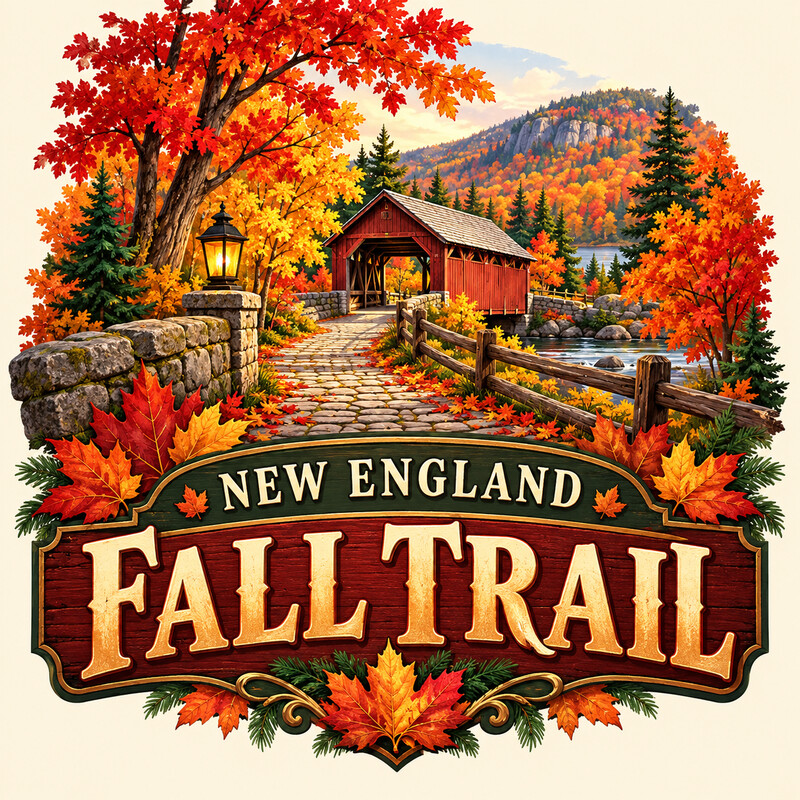

Boats, all kinds and all drive
Easy access no lag, Aprox 2000 Vehicles in all regions tp boards to get you where you need.
Take a look at my other regions
Boats Region
hop://login.friends-grid.com:8002/Alina's%20Boats/516/457/23
Alina Cars & Vehicles
hop://login.friends-grid.com:8002/Alina's%20Vehicles/369/301/22
Alina Motorcycles
hop://login.friends-grid.com:8002/Alina's%20Motorcycles/181/361/22
Alina Aviation
hop://login.friends-grid.com:8002/Alina's%20Aviation/539/498/21
Currently changing some of the city above the ground new store to open soon Aqua Gardens seem to be popular most things are available down there to be copied if you visit and need anything please message me if not online. Still at NeverWorld but not owning regions now found it cheaper elsewhere to lease a region yes still building more for my own amusement. The Dance Club is open notify if stream music not working I do not do DJ or have one not intending to as there are plenty available good clubs on opensim enjoy your visit.

Good morning
one more fishing competition at the welcome
This round total : 100 FR$
it wil end in 23 hours
Good luck
Region: Alternate Metaverse
Event begins: 2026-10-05 06:00 SLT
Added by: Cataplexia Numbers✦
Details:
DJ Naya is gonna kick off your Manic Monday with a bang!
Bringing you the best music she has to offer, DJ Nata know's how to entertain!
all are welcome to come along!
hop://alternatemetaverse.com:8002/Alternate%20Metaverse/34...
Event begins: 2026-10-05 06:00 SLT
Added by: Cataplexia Numbers✦
Details:
DJ Naya is gonna kick off your Manic Monday with a bang!
Bringing you the best music she has to offer, DJ Nata know's how to entertain!
all are welcome to come along!
hop://alternatemetaverse.com:8002/Alternate%20Metaverse/34...
| | Cataplexia Numbers: Naya is treating us to very listenable, dancable tunes yesterday |
Der Kampf gegen die grünen Orks
Das grosse Rp vom Montag dem 28. September, hatte durch das Einordnen der vielen Bilder einiges an Zeit gefordert, bevor es jetzt endlich als Video-Bericht, aus der Perspektive von Eddy dem Zeichner präsentiert werden kann.
https://lennardmonday.blogspot.com/2026/10/der-kampf-gegen...
https://lennardmonday.blogspot.com/2026/10/der-kampf-gegen...
|
DOLLIES
6 members |
|
Dj Pompom
2 members |

|
Freedom City London
1 members |

|
City life Virtual
1 members |
|
NightWalker Fashion Depo
1 members |

|
HyperGrid LIVE Music Venues
1 members |

|
Drama
8 members |
|
Virtualife italian grid
2 members |

|
Belly Dance
2 members |