OpenSimWorld is the directory of 3D Virtual Worlds based on OpenSimulator and connected through the HyperGrid. Learn More

New Members
Lavinnia, MarinetteF, Tukso, Patriciatornado009, Earth, Eses71, LunaAurelina, Engelchen, SaraDaramis, RogueVision, LesLong, Gonzalob333, Sylvio96, TomSaytom, MizuNao, Kirsteen, AfterLife, Zafiro2sweet, KrysNotorious, KiranLikes
How Much Does it Cost to Remodel Floors?
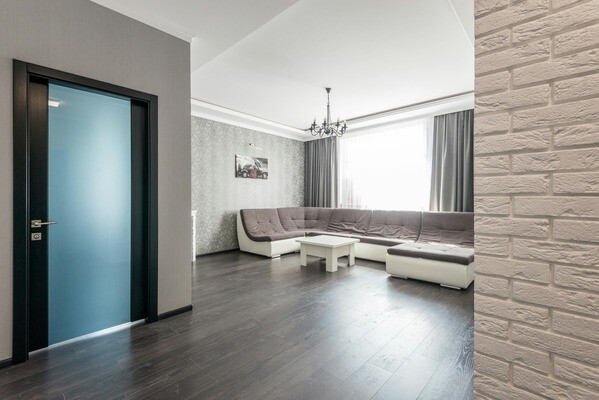
According to recent data, almost 64% of homeowners who are interested in renovating their homes before they get started consider the cost of remodeling floors. The cost to remodel floors varies according to the type of material used, the difficulty of the job, the condition of the floor, the size of the room, and how much preparation is required in different rooms of the house.
The average price for the installation of a new floor in 2025 varies between $4 and $18 per square foot and depends on the type of flooring materials and structural repairs that may be required. In the absence of cost knowledge, homeowners may find themselves making budgeting errors and postponing decisions on home renovation.
This process involves material selection, removal of the existing floor, surface preparation, and planning for the floor installation. In this guide, you'll learn about remodeling costs, factors that can affect costs, various types of flooring, and how to budget the costs of your remodeling projects.
Why Floor Remodeling Costs Change Between Homes
Remodelling the floors costs differ as each of the properties has different structural conditions, and has a different layout and material requirements. A tiny apartment with no damage to the subflooring will require less work than a more aged home with uneven surfaces or wet subflooring.
The type of room also has an impact on labour time. There are fewer cuts and adjustments required for straight layouts. Built-in furniture, however, adds more complexity to installation, as do irregular corners and stairs.
Another factor is labor costs in the region, which can impact overall remodeling costs. Contractors are more likely to be found in urban areas because there is more demand and it is more expensive to operate in these areas.
Why Accurate Calculations Matter
Mis-measurements can lead to a shortage or waste of materials. In both cases, the cost and installation time of projects rise, and the building's function is compromised.
There are property owners who will seek out construction estimating companies when they are in the middle of a large remodeling project simply because of the way they help with the cost estimate, material calculation, volume analysis, and project planning support to make the project as accurate as possible.
What Factors Affect the Cost of Floor Remodeling?
There are a number of key factors that influence the end remodeling cost. The knowledge of these elements enables homeowners to come up with reasonable budgets.
Flooring Material Type
The most significant difference in price is obtained by selecting materials. There are some flooring materials that require a lot of preparation and special techniques for installation.
There are several types of common flooring types:
Hardwood flooring
Laminate flooring
Vinyl plank flooring
Ceramic tile
Natural stone
Carpet flooring
Engineered wood
For instance, natural stone flooring tends to be more expensive due to the weight of the materials and the care that needs to be taken in handling them. Typically, laminate flooring takes less time to install.
Room Size and Layout
Large open rooms allow installers to work quickly, with less downtime, therefore decreasing the complexity of the labor. Trimming and edge adjustments could be factors in a higher per-square-foot cost for small rooms. Installations in hallways, stairs, and curves are more challenging. These include areas that need to be measured in detail and more material cuts.
Subfloor Condition
Subfloor repairs are a detail that many homeowners forget to take into account when creating a budget. Damaged subfloors cost a great deal more, however, for the entire renovation.
The following are some of the most common issues with subfloors:
Moisture damage
Cracks
Rotting wood
Uneven surfaces
Mold growth
These problems are commonplace and readily fixed by the workers before installing new floor materials.
How Flooring Professionals Estimate Material Needs
Flooring estimators analyze floor plans and project specifications to calculate the exact quantity and cost of flooring materials required for a project. They evaluate room layouts, material types, cutting patterns, waste factors, transition areas, and subfloor conditions to prepare accurate estimates for installation and budgeting.
Average Price of Materials for Floors
Each type of flooring has its own installation and maintenance requirements. These differences have implications for the overall cost of remodeling.
Hardwood Flooring Costs
Hardwood flooring is still the most costly of all remodeling choices. Accurate cutting, acclimation, and moisture control are necessary for installation.
Cost factors include:
Wood species
Plank width
Surface finish
Installation pattern
Sanding requirements
Solid hardwood will last longer than many other choices. However, repairs and refinishing do add to the maintenance costs for the longer term.
Laminate Flooring Costs
In most cases, laminate flooring is cheaper because it's easy and fast to install. Click-lock systems are found in many systems, which can lower labour time. But if they do not have a high moisture resistance, they could last only for a brief period in bathrooms or kitchens.
Tile Flooring Costs
The price of tile flooring will depend on the complexity of the grout, the tile density, and the tile size. If large-format tiles are being used, then perfectly level surfaces may be required.
There are other costs that may be associated with:
Mortar application
Waterproofing layers
Tile cutting
Grout sealing
Natural stone tiles are typically more expensive than ceramic or porcelain tiles.
Vinyl Flooring Costs
The luxury vinyl flooring came into being because it was moisture-resistant. Can be installed on numerous existing surfaces. Thick commercial-grade vinyl products, however, tend to be more expensive than commercial residential products.
Hidden Expenses in Floor Remodeling Projects
Too many homeowners underestimate the costs of their remodeling projects and end up overspending.
Floor Removal and Disposal
When taking out old flooring, labor time and disposal expenses increase. Adhesive or hazardous particles are sometimes present, that make it necessary to handle the material in a special way. The process of removing tile flooring will usually take longer time compared to carving out carpet or vinyl floor.
Furniture Moving Costs
Furniture is hindering the installation process. In case of large remodeling, temporary storage or extra labour may be necessary.
Moisture and Water Damage Repairs
Structural issues lie under flooring systems and arise from moisture issues. Damage may be unseen until the time workers remove the old materials.
Typical repair spaces are:
Bathroom flooring
Basement flooring
Kitchen subfloors
Laundry rooms
Fixing structural issues prior to installation eliminates future flooring issues.
How Room Type Affects Remodeling Costs
The installation can vary from room to room.
Kitchen Flooring Remodeling
Kitchen floors are heavily trafficked, wet, and subjected to temperature fluctuations. The material needs to be able to resist moisture and stains well. Installers also have to deal with cabinets, appliances, and plumbing fixtures.
Bathroom Floor Renovation
Typically, waterproofing systems are installed under the flooring materials in bathroom remodeling. The amount of moisture protection increases the complexity and labor hours of installation.
In the case of small bathrooms, the cost could be higher per square foot, as workers are required to work around the fixtures and toilets of the small bathroom.
Basement Flooring Projects
Basements frequently have water problems and irregular concrete floors. The higher costs of a project are associated with surface leveling and moisture barriers.
Labor Costs in Flooring Renovation
One of the highest costs in remodeling is typically the labor costs.
What Makes Labor Complex?
There are a number of factors that slow down the installation speed:
Uneven surfaces
Stairs
Detailed patterns
Heavy materials
Furniture obstacles
Existing floor damage
More cutting and alignment adjustments are needed when you have a more complex layout.
DIY vs Professional Installation Costs
Other homeowners opt to fit laminate or vinyl flooring themselves in order to save on the amount of money they have to pay in labour charges. However, if not installed correctly, it can lead to uneven surfaces, gaps for moisture, or even structural movement in the future.
Professional installers typically finish a project in less time than a nonprofessional installer will, and less time than it would take the same project to be done correctly.
How Long Does Floor Remodeling Usually Take
The length of the project will influence the labour costs and temporary accommodation. Rooms get finished in a day or two in small rooms. The renovation of multiple rooms tends to take 1-2 weeks.
There are a number of reasons that delay timelines:
Subfloor repairs
Material delivery delays
Moisture treatment
Pattern installations
Furniture relocation
Budgeting Tips for Floor Remodeling
You can prevent unfinished projects or financial crunch by planning realistic budgets.
Create a Contingency Budget
Issues that need unexpected repairs are often discovered once old floor coverings are taken out. Creating a cushion of extra savings aids with structural surprises.
Compare Long-Term Maintenance Costs
While low initial installation costs may be associated with lower costs, it is not always the case. Certain materials need to be repaired, refinished, or replaced regularly.
Prioritize Structural Repairs First
Resolution of moisture issues and subfloor irregularities before installation extends the life of the flooring from damage.
Conclusion
The cost of remodeling floors is determined by a number of factors, such as materials, labor, the room conditions, and the structural preparation requirements. Flooring projects come in a wide variety due to different layouts, moisture situations, and installation difficulties in different properties.
Measuring right, budgeting realistically, and planning appropriately can minimize money surprises in renovation projects. The long-term durability is also influenced by the stability of the subfloor and the material's performance during daily use.
When it comes to replacing a floor, there's more to it than you'd first think, and there are often structural conditions that are hidden, and that will actually dictate how much the job costs and whether it is the best project to be remodeled or not.
FAQs
Which one of the floor remodeling materials is the least expensive?
Laminate or sheet vinyl flooring is typically the lowest-cost flooring since installation is simpler and material costs are less expensive.
Does damage to the subfloor make the remodeling of the floor more expensive?
Absolutely, the more damage done to the subfloor, the higher the remodeling costs, since the cost of repairing the subfloor, whether it is leveling, moisture treatment, or even replacing the wood, can be an additional expense.
Comments
No comments yet