OpenSimWorld is the directory of 3D Virtual Worlds based on OpenSimulator and connected through the HyperGrid. Learn More

New Members
Chelseaetcalfe, AmarenaArabella, NightGoji, ScorpionMK, HatsuneILona, GringoMiles, Cassia, Stray_Mumfuzz, MandyMayy, MilkyWay, Vico1388, Nyzrak, 259436, Jackiewallace, SoulGroovin, Yanukia, LeonHawkin, Vampybytes, SoraAmarena, Rumi LazuliLikes
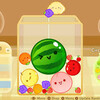
Rolling, Merging, and Smiling: A Friendly Guide to the Watermelon Puzzle

If you want a puzzle game that feels simple at first but keeps surprising you, the watermelon merge genre is a great place to start. One of the best-known examples isSuika Game, a cheerful stacking puzzle where tiny fruits slowly turn into bigger ones, one careful drop at a time. It looks playful, but it quickly becomes a game of timing, balance, and patience. The charm of a watermelon puzzle is easy to understand. You drop fruits into a box, watch them bounce, and try to combine matching fruits into larger ones. The goal is not just to make one big fruit, but to keep the container from filling up too fast. That mix of calm motion and quiet tension is what makes the experience so memorable. Suika Game stands out because it turns a very small idea into something genuinely addictive. There is no complicated story to learn and no long tutorial to sit through. You just start, drop fruits, and immediately understand what the game wants from you. That accessibility is part of the fun. Anyone can try it, but getting good at it takes practice. The basic rule is straightforward: when two of the same fruit touch, they merge into a larger fruit. You begin with small fruits, and each successful merge creates more space and opens the door to bigger combinations. At the top of the chain is the watermelon, which gives the genre its name. What makes the game interesting is that every drop matters. Fruits do not land in neat, perfect spots every time. They roll, settle, and sometimes bounce in ways you did not expect. Because of that, you are always making small decisions: should you drop the fruit on the left side or the right? Should you wait for a better opening? Should you use a small merge now, or save the space for a bigger chain later? That is where the real puzzle begins. The game is not about speed. It is about reading the shape of the pile and thinking a few moves ahead. A box that looks safe can become crowded very quickly if you place one fruit in the wrong spot. On the other hand, a careful arrangement can lead to several merges in a row and create a satisfying opening. Another reason people enjoy Suika Game is the physical feel of it. The fruits have weight. They wobble. They slide around just enough to create little moments of chaos. That makes every session feel a bit different, even when the rules never change. A puzzle with this kind of movement often feels more alive than a static one. A good way to improve is to think in layers. Try not to scatter fruits randomly across the box. Instead, build small areas where similar fruits can gather naturally. When fruits stay close together, merges happen more easily, and you waste less space. It also helps to keep the center under control. If the middle becomes too messy, the whole stack can collapse in awkward ways. Many players prefer to build from one side outward or keep one section as a “landing zone” for smaller fruits. There is no single perfect method, but having a rough plan makes a big difference. Another useful habit is to stay patient after a bad drop. In a game like this, one awkward bounce does not always ruin everything. Sometimes you can recover by placing the next fruit carefully and using the new shape of the pile to your advantage. Panic usually causes more trouble than the mistake itself. You should also pay attention to merge chains. If two small fruits can combine now and that new fruit can merge again soon after, it is often worth setting that up. These chain reactions are one of the most satisfying parts of the game, and they help create more space than isolated merges do. Finally, do not treat every round as a test. Part of the fun of a watermelon puzzle is simply watching how the fruits behave. The game works well when you are relaxed, curious, and willing to learn from each attempt. A calm mindset often leads to better results than trying too hard. A watermelon puzzle is a small game idea with a lot of personality. It is easy to start, pleasant to watch, and full of tiny decisions that slowly add up. Suika Game is a great example because it combines simple rules with clever momentum, turning each round into a mix of strategy and playful surprise. If you are looking for something light but not empty, relaxing but still thoughtful, this kind of puzzle is worth trying. Drop a fruit, watch what happens, and see how long you can keep the box under control. That simple loop is what makes it so enjoyable.Introduction
Gameplay
Tips
Conclusion
Comments
No comments yet