OpenSimWorld is the directory of 3D Virtual Worlds based on OpenSimulator and connected through the HyperGrid. Learn More

The rides BREAK, the games are RIGGED, the food is LOUSY and the service is even WORSE. Apparently these WARNINGS are not enough to keep people away. Have a Dismay Day!
 | Spax Orion: We are SORRY that the EASTER EGG hunt could NOT happen today. The Easter Bunny was captured when trying to avoid Dismayland! Tonight we will be serving: Lassenpheffer at Chopsy's Diner! 1 hour ago |

the famous Wall of Shame by DJ Purrfectt Katt stop in check it out ya may see yourself on it its her collection off shameful pics from over the yrs some very funny lol
| | MrSnoodle: You would have thought they would have mastered the art of transferring an avatars appearance from place to place by now. Just shows how fragile opensim can be. The amount of times my avatar gets bor... 1 hour ago |

☀️ Rise ‘n’ Shine with DJ Tyler — 6–8am! ☀️
Start your day with the perfect mix of feel‑good tunes, smooth chat, and the songs you want to hear.
From sunrise grooves to sing‑along classics, DJ Tyler’s got the soundtrack to power your morning routine.
Send in your requests, grab your breakfast, and wake up the right way — only on the Early Morning Breakfast Show with DJ Tyler!
hop://alternatemetaverse.com:8002/Alternate%20Metaverse/36...
Start your day with the perfect mix of feel‑good tunes, smooth chat, and the songs you want to hear.
From sunrise grooves to sing‑along classics, DJ Tyler’s got the soundtrack to power your morning routine.
Send in your requests, grab your breakfast, and wake up the right way — only on the Early Morning Breakfast Show with DJ Tyler!
hop://alternatemetaverse.com:8002/Alternate%20Metaverse/36...


▶▷▶Happy Easter!
The CC-CLUB and the entire team wish you all a happy Easter and relaxing holidays.
▶▷▶Frohe Ostern!
Der CC – CLUB, das gesamte Team wünscht euch allen ein schönes Osterfest und erholsame Feiertage.
The CC-CLUB and the entire team wish you all a happy Easter and relaxing holidays.
▶▷▶Frohe Ostern!
Der CC – CLUB, das gesamte Team wünscht euch allen ein schönes Osterfest und erholsame Feiertage.
| | CleaPerido: frohe ostern 2 hours ago |
New Avatar Esther- Reborn- Ubon!!
Mexico Lindo!!
Join to our FB group for new releases. https://www.facebook.com/groups/25148007824893727
hop://lfgrid.com:8002/Mexico%20Lindo/160/188/3502
| | CleaPerido: dankeschön und ein schönes osterfest 2 hours ago |

🔥 DER NEUE Skin „RYKER“ IST DA! 🔥
Männer, aufgepasst!
In der Big City auf MiraclesWelt weht ab heute ein anderer Wind.
Vergiss Standard-Looks.
Ryker ist für diejenigen, die nicht nur mitspielen,
sondern die Regeln schreiben.
Ob du das Business in der City leitest oder die dunklen Gassen kontrollierst
– mit Ryker sieht jeder sofort,
wer das Sagen hat.
Männer, aufgepasst!
In der Big City auf MiraclesWelt weht ab heute ein anderer Wind.
Vergiss Standard-Looks.
Ryker ist für diejenigen, die nicht nur mitspielen,
sondern die Regeln schreiben.
Ob du das Business in der City leitest oder die dunklen Gassen kontrollierst
– mit Ryker sieht jeder sofort,
wer das Sagen hat.

NEW Release SN Hava Leather Dress
LARA X Single (Legacy soon...)
Alltime Moneygiver inside Mainstore
~NO RESELL~
🌆 BIG CITY UPDATE: DEIN NEUES ICH IST DA! 🌆
Die Stadt schläft nie, und dein Style sollte es auch nicht. Wir haben die neueste Generation an Skins für alle Männer in Big City gedroppt. Vergiss den Standard-Look – es ist Zeit für ein Upgrade, das Eindruck hinterlässt.
Die Stadt schläft nie, und dein Style sollte es auch nicht. Wir haben die neueste Generation an Skins für alle Männer in Big City gedroppt. Vergiss den Standard-Look – es ist Zeit für ein Upgrade, das Eindruck hinterlässt.
| | LunaVirellia: cant get this skin 4 hours ago |

Happy Easter to all my friends and all visitors of my sims....A peaceful celebration and lots of big eggs during the Easter egg hunt.
| | TrishiaOConnell: Dear Thomas..Cáisc Shona Dhuit from Dublin .Cáisc shona daoibh to you all 5 hours ago |

🐣🌸 Happy Easter from Arkham Grid! 🌸🐣
May this day be filled with peace, positive energy, and fresh new beginnings.
Wishing you special moments to share with the ones you love.
Happy Easter to everyone! ✨
May this day be filled with peace, positive energy, and fresh new beginnings.
Wishing you special moments to share with the ones you love.
Happy Easter to everyone! ✨
| | harthelie: Merci BONNES FETES DE PAQUES a vous aussi 5 hours ago |

The Easter Bunny dropped 7 eggs from his basket on Needful Things—will you help pick them up?
You'll get a few of the items from the funny video as a gift for your help...
https://youtu.be/QHkE7v81BaE
Happy Easter to everybody!
* * * * *
Dem Osterhasen sind auf Needful Things 7 Eier aus seinem Korb gefallen - Hilfst du mit, sie aufzusammeln?
Du bekommst in paar der Sachen aus dem lustigen Video für deine Mühe geschenkt...
https://youtu.be/QHkE7v81BaE
Frohe Ostern euch allen!
You'll get a few of the items from the funny video as a gift for your help...
https://youtu.be/QHkE7v81BaE
Happy Easter to everybody!
* * * * *
Dem Osterhasen sind auf Needful Things 7 Eier aus seinem Korb gefallen - Hilfst du mit, sie aufzusammeln?
Du bekommst in paar der Sachen aus dem lustigen Video für deine Mühe geschenkt...
https://youtu.be/QHkE7v81BaE
Frohe Ostern euch allen!
| | harthelie: Merci BONNES FETES DE PAQUES a vous 5 hours ago |
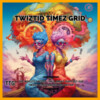
Happy Easter!
April 5th - Show Tunes in Easter Style!
っ◔◡◔)っ ♥ Come share your talent with us or just listen!
*~* Sunday's 2pm -4pm Grid/PST*~*
Genre: SHOW TUNES (comedians, story tellers, singers)
Attire: EASTER STYLE
Perfection isn't required. Sing on our House Stream or sing in Local using your voice. Not comfy singin'... sit back, relax, & listen or dance.
This week we'll be singing at Echo Canyon Live
hop://hg.twiztidtimezgrid.com:8602/Bar-Bus%20Bay/431/82/21
Listen from where you are http://198.245.61.188:8000
Themes change weekly
April 12th - TBD
April 5th - Show Tunes in Easter Style!
っ◔◡◔)っ ♥ Come share your talent with us or just listen!
*~* Sunday's 2pm -4pm Grid/PST*~*
Genre: SHOW TUNES (comedians, story tellers, singers)
Attire: EASTER STYLE
Perfection isn't required. Sing on our House Stream or sing in Local using your voice. Not comfy singin'... sit back, relax, & listen or dance.
This week we'll be singing at Echo Canyon Live
hop://hg.twiztidtimezgrid.com:8602/Bar-Bus%20Bay/431/82/21
Listen from where you are http://198.245.61.188:8000
Themes change weekly
April 12th - TBD

Happy Easter!
April 5th - Show Tunes in Easter Style!
っ◔◡◔)っ ♥ Come share your talent with us or just listen!
*~* Sunday's 2pm -4pm Grid/PST*~*
Genre: SHOW TUNES (comedians, story tellers, singers)
Attire: EASTER STYLE
Perfection isn't required. Sing on our House Stream or sing in Local using your voice. Not comfy singin'... sit back, relax, & listen or dance.
This week we'll be singing at Echo Canyon Live
hop://hg.twiztidtimezgrid.com:8602/Bar-Bus%20Bay/431/82/21
Listen from where you are http://198.245.61.188:8000
Themes change weekly
April 12th - TBD
April 5th - Show Tunes in Easter Style!
っ◔◡◔)っ ♥ Come share your talent with us or just listen!
*~* Sunday's 2pm -4pm Grid/PST*~*
Genre: SHOW TUNES (comedians, story tellers, singers)
Attire: EASTER STYLE
Perfection isn't required. Sing on our House Stream or sing in Local using your voice. Not comfy singin'... sit back, relax, & listen or dance.
This week we'll be singing at Echo Canyon Live
hop://hg.twiztidtimezgrid.com:8602/Bar-Bus%20Bay/431/82/21
Listen from where you are http://198.245.61.188:8000
Themes change weekly
April 12th - TBD


Well "Bobby" still not working for me so I am going to try get me a Robby from"Forbidden Planet" my fav sci-fi movie!

| | CleaPerido: dankeschön ein frohes osterfest 9 hours ago |

From our VB family to you, Happy Easter.
⟟⍜⍀⌇⟒⏃ ⌇⌿⏃☊⟒⌿⍜⍀⏁ ☍⏃⌇⏁⍀⏃⍀⟟ ⟒⏃⍀⏁⊑
⟟⋏⌇⏁⏃⋏☊⟒: **MAGABAGA SPACEPORT**
⟊⟟⏚⍜⍀ ⌇⊑⏃⏁⏁⟒⍀ ⍀⟒⏃⌰⋔
⏃⋏⎅ ⟟⋏⎅⟒⌖⏃ ⟊⏃⍀⌇ ⏃⍀⟒ ⏁⊑⟒ ⍀⟒⏃⌰⟟⏁⊬!
⌇⟒⋏⎅ ⊬⍜⎍⍀ ⌇⊑⟟⌿⌇
⌇⟟⌰⟒⋏⏁ ⍜⍀ ⍙⏃⍀⌿-⌇⌿⟒⟒⎅
⏁⍜ ⏁⊑⟒ ⏚⟒⌇⏁ ⊑⎍⏚ ⟟⋏ ⍜⌿⟒⋏⌇⟟⋔
✦ ⏃⋏⏁⟟-☌⍀⏃⎐ ⎅⍜☊☍⌇
✦ ⌇⏁⟒⌰⌰⏃⍀ ⏁⍀⏃⎅⟒ ⎎⟟⟒⌰⎅⌇
✦ ⍀⟒⏃⌰⟟⏁⊬-⌇⟒☊⎍⍀⟒ ⏚⏃⍀⟟⟒⍀⌇
✦ ⟟⋏⏁⟒⍀⌇⌿⟒☊⟟⟒⌇ ⌰⍜⎍⋏☌⟒⌇
⏃⌰⌰ ☊⟟⏁⟟⋉⟒⋏⌇ ⍜⎎ ⍜⌿⟒⋏⌇⟟⋔
⏃⍀⟒ ⊬⟒⌰☊⍜⋔⟒ — ⏃⌰⟟⟒⋏ ⍜⍀ ⊑⎍⋔⏃⋏
⌇⟟☌⋏⏃⌰ ⏃⏁: **MAGABAGA SPACEPORT**
⟊⎍⋔⌿ ⏁⍜ ⊬⍜⎍⍀ ⋏⟒⌖⏁ ⏃⎅⎐⟒⋏⏁⎍⍀⟒!
p.s Translation: new revamp of the MAGABAGA SPACEPORT: GO to SIM EUROPA, and then take either the magabagaba maglev tram or the TP to EUROPA SPACEPORT.
⟟⋏⌇⏁⏃⋏☊⟒: **MAGABAGA SPACEPORT**
⟊⟟⏚⍜⍀ ⌇⊑⏃⏁⏁⟒⍀ ⍀⟒⏃⌰⋔
⏃⋏⎅ ⟟⋏⎅⟒⌖⏃ ⟊⏃⍀⌇ ⏃⍀⟒ ⏁⊑⟒ ⍀⟒⏃⌰⟟⏁⊬!
⌇⟒⋏⎅ ⊬⍜⎍⍀ ⌇⊑⟟⌿⌇
⌇⟟⌰⟒⋏⏁ ⍜⍀ ⍙⏃⍀⌿-⌇⌿⟒⟒⎅
⏁⍜ ⏁⊑⟒ ⏚⟒⌇⏁ ⊑⎍⏚ ⟟⋏ ⍜⌿⟒⋏⌇⟟⋔
✦ ⏃⋏⏁⟟-☌⍀⏃⎐ ⎅⍜☊☍⌇
✦ ⌇⏁⟒⌰⌰⏃⍀ ⏁⍀⏃⎅⟒ ⎎⟟⟒⌰⎅⌇
✦ ⍀⟒⏃⌰⟟⏁⊬-⌇⟒☊⎍⍀⟒ ⏚⏃⍀⟟⟒⍀⌇
✦ ⟟⋏⏁⟒⍀⌇⌿⟒☊⟟⟒⌇ ⌰⍜⎍⋏☌⟒⌇
⏃⌰⌰ ☊⟟⏁⟟⋉⟒⋏⌇ ⍜⎎ ⍜⌿⟒⋏⌇⟟⋔
⏃⍀⟒ ⊬⟒⌰☊⍜⋔⟒ — ⏃⌰⟟⟒⋏ ⍜⍀ ⊑⎍⋔⏃⋏
⌇⟟☌⋏⏃⌰ ⏃⏁: **MAGABAGA SPACEPORT**
⟊⎍⋔⌿ ⏁⍜ ⊬⍜⎍⍀ ⋏⟒⌖⏁ ⏃⎅⎐⟒⋏⏁⎍⍀⟒!
p.s Translation: new revamp of the MAGABAGA SPACEPORT: GO to SIM EUROPA, and then take either the magabagaba maglev tram or the TP to EUROPA SPACEPORT.
| | Aphra Hendrix: i love these letters! 9 hours ago |

our game area at welcome come play a few on weds and fridays after purr djs at event plaza inos

New stuffz @ Stuffz & Junkz!
Located on our furry welcome center in Wolf Territories, The Fleabags Den!
Upstairs in the main store, we have new roleplay weapons upstairs, some great wolfy wall art, amazing food and much more!
Downstairs there are new pieces in the holiday section!
Hop on the teleporter and zoom out to the Fleas Market where the new Stuffz & Junkz outdoor marketz are!
There is some cute, some weird, and some wonderful!
Come on out! Get some stuffz! Get some junkz!
Keep OpenSim free! #SharingisCaring
hop://grid.wolfterritories.org:8002/THE%20FLEABAGS%20DEN/8...
hop://grid.wolfterritories.org:8002/THE%20FLEABAGS%20DEN/7...
Located on our furry welcome center in Wolf Territories, The Fleabags Den!
Upstairs in the main store, we have new roleplay weapons upstairs, some great wolfy wall art, amazing food and much more!
Downstairs there are new pieces in the holiday section!
Hop on the teleporter and zoom out to the Fleas Market where the new Stuffz & Junkz outdoor marketz are!
There is some cute, some weird, and some wonderful!
Come on out! Get some stuffz! Get some junkz!
Keep OpenSim free! #SharingisCaring
hop://grid.wolfterritories.org:8002/THE%20FLEABAGS%20DEN/8...
hop://grid.wolfterritories.org:8002/THE%20FLEABAGS%20DEN/7...
Thank You Thirza! We look forward to future Cruises with HG Safari!
https://hgsafari.blogspot.com/2026/04/rocking-on-redwood.h...
| | Gundahar Bravin: Video By Roffellos!! https://youtu.be/y7fMWHZapjg?si=6ayDG8KTPXh0m1ie 11 hours ago |

We now have 3 Tour Boats running 24/7 to Tour you around the MS Axiom!
our new lounge we will be holding weekly chats here for all to join in //also come hang out when ya can anytime all are welcome here well no child avas ,,, and though we are rated adult users must at least wear a bathing suit lol
rockin into the night our dance area at welcome
I think I'm in a 'everything is made out of sand' mood.
Working on a V8.1 of the OpenSIM WEATHER SYSTEM - still doing some tests, working ok so far. On this version I will add the "LIGHTHOUSE ADDON".. so. light beam turns on automatically at nights. And also, if weather condition is foggy or similar, not only the EEP will change but a fog horn will be played once each 90 seconds.
| | GaiaFlora: That's Seriously awesome! Thank YOU!!!! 12 hours ago |

Got spheres to wander and create their own builds (w/return timers) *click glowing spheres to render a unique build

Updated Shoutcast & DJ Board w/Remote for OS 0.9.2 & OS 0.9.3. It's in the Green Top Store. Here's the LM hop://hg.twiztidtimezgrid.com:8602/Building%20Emporium/396...
You'll land at mainlanding. Wait until you rez and hit the landmark again and you should be right in front of the item.
This update fixed the compatibility between OS versions AND fixed the remote to work now too! If you set remotes in your parcels of the same region and change the channel on your shoutcast board it will change all the parcels to the same stream as the board! It's also not proprietary to any Grid. :)
Additionally if you want to add your club logo just remove the Shoutcast Logo and replace with your logo and rename your logo Shoutcast Logo (case sensitive) Have Fun!
You'll land at mainlanding. Wait until you rez and hit the landmark again and you should be right in front of the item.
This update fixed the compatibility between OS versions AND fixed the remote to work now too! If you set remotes in your parcels of the same region and change the channel on your shoutcast board it will change all the parcels to the same stream as the board! It's also not proprietary to any Grid. :)
Additionally if you want to add your club logo just remove the Shoutcast Logo and replace with your logo and rename your logo Shoutcast Logo (case sensitive) Have Fun!

Reminder:
E Grid is shutting down tonight for almost three weeks (till the 24th).
Lots of backups and maintenance plus we're out of town and not leaving the servers going all that time with no one to oversee them. Have a wonderful Easter everyone!! xxx
E Grid is shutting down tonight for almost three weeks (till the 24th).
Lots of backups and maintenance plus we're out of town and not leaving the servers going all that time with no one to oversee them. Have a wonderful Easter everyone!! xxx
| | HarperHeld: Gotta appease the server hamsters -best of luck! :) 17 hours ago |

Zoree Jupiter Performing Live at Osgrid Event Plaza
2:00-3:00pm
Attire is Casual
Hope you'll come by!
hop://hg.osgrid.org:80/Event%20Plaza/436/247/4001

10 MINUTE CURTAIN CALL FOLKS!!
Hey Everyone Happy Easter! Or Blessed Ostara! :)
I'm performing at Event Plaza today for their Easter Weekend Celebration!
Live 60s 70s & 80s Music & You can request as always!
Come join us and request your favorites! - Info Below!
❈ ════ ❈ LIVE at 1:PM OST / 4:PM EST
❈ ════ ❈ EVENT PLAZA
❈ ════ ❈ RIDE: hg.osgrid.org:80:Event Plaza
Hey Everyone Happy Easter! Or Blessed Ostara! :)
I'm performing at Event Plaza today for their Easter Weekend Celebration!
Live 60s 70s & 80s Music & You can request as always!
Come join us and request your favorites! - Info Below!
❈ ════ ❈ LIVE at 1:PM OST / 4:PM EST
❈ ════ ❈ EVENT PLAZA
❈ ════ ❈ RIDE: hg.osgrid.org:80:Event Plaza
▁ ▂ ▃ ▄ ▅ ▆ ▇ CC CLUB - The Underground ▇ ▆ ▅ ▄ ▃ ▂ ▁
▶▷▶ Saturday Night Party
Saturday/Samstag 04.04.2026
◕ starts 11:00 OS grid time – startet ab 20:00 Uhr EU
The Underground, taking us back to the glory days of the cult dives. Here, we'll host parties that celebrate the genre in an authentic basement underground atmosphere. You're all warmly invited to immerse yourselves in this era.
Zurück zu den alten Zeiten der Kult Schuppen. Hier finden Partys statt, die das Genre in authentischer Keller – Underground Atmosphäre zelebrieren. Ihr seit alle herzlichst willkommen in diese Zeit einzutauchen.
DJ Line UP: ☊
DJ Tomi Balboa Livemix 20:00-21:00
DJ Crazy Onasis Synth Wave,Italo,Darkwave,Goth Livemix 21:00-22:00
DJ Nick Greeklife Livemix 22:00 – 23:00
Taxi: hg.osgrid.org:80:CCClub
░░▒▓◙█◙█◙ THE - UNDERGROUND ◙█◙█◙▓▒░░
▶▷▶ Saturday Night Party
Saturday/Samstag 04.04.2026
◕ starts 11:00 OS grid time – startet ab 20:00 Uhr EU
The Underground, taking us back to the glory days of the cult dives. Here, we'll host parties that celebrate the genre in an authentic basement underground atmosphere. You're all warmly invited to immerse yourselves in this era.
Zurück zu den alten Zeiten der Kult Schuppen. Hier finden Partys statt, die das Genre in authentischer Keller – Underground Atmosphäre zelebrieren. Ihr seit alle herzlichst willkommen in diese Zeit einzutauchen.
DJ Line UP: ☊
DJ Tomi Balboa Livemix 20:00-21:00
DJ Crazy Onasis Synth Wave,Italo,Darkwave,Goth Livemix 21:00-22:00
DJ Nick Greeklife Livemix 22:00 – 23:00
Taxi: hg.osgrid.org:80:CCClub
░░▒▓◙█◙█◙ THE - UNDERGROUND ◙█◙█◙▓▒░░
| | Crazyposeidon: Warmup, Generators running , Drinks cold , ready to Party , Generatoren laufen, Getränke sind kalt, ready to Party 21 hours ago |
🏘️ LITTLE CITY – GROSSER STYLE! 🏘️
Wer sagt, dass man in Little City nicht die Blicke auf sich ziehen kann? Nur weil die Stadt kleiner ist, muss es dein Auftritt nicht sein!
Wir haben soeben die brandneuen Frauen-Skins direkt in den Shop geliefert. Hol dir den Look, über den die ganze Nachbarschaft sprechen wird.
Wer sagt, dass man in Little City nicht die Blicke auf sich ziehen kann? Nur weil die Stadt kleiner ist, muss es dein Auftritt nicht sein!
Wir haben soeben die brandneuen Frauen-Skins direkt in den Shop geliefert. Hol dir den Look, über den die ganze Nachbarschaft sprechen wird.
| | LisaHellstein: vielen dank und frohe Ostern ♥ 21 hours ago |
🌆 BIG CITY UPDATE: DEIN NEUES ICH IST DA! 🌆
Die Stadt schläft nie, und dein Style sollte es auch nicht. Wir haben die neueste Generation an Skins für alle Männer in Big City gedroppt. Vergiss den Standard-Look – es ist Zeit für ein Upgrade, das Eindruck hinterlässt.
Die Stadt schläft nie, und dein Style sollte es auch nicht. Wir haben die neueste Generation an Skins für alle Männer in Big City gedroppt. Vergiss den Standard-Look – es ist Zeit für ein Upgrade, das Eindruck hinterlässt.

|
INFINITY
1 members |

|
Event Plaza Osgrid
3 members |

|
Virtual World Creations
1 members |

|
Fantasy Business
1 members |

|
Music Lovers
2 members |
|
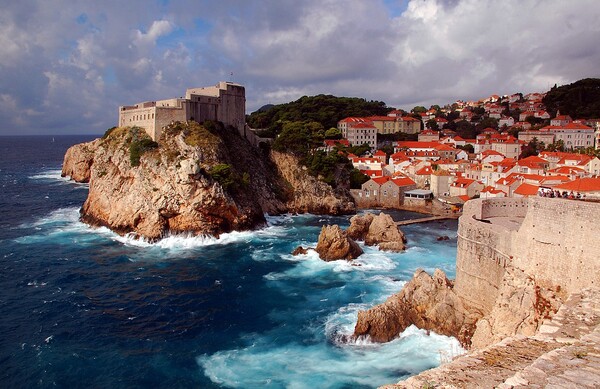
Virtualife italian grid
2 members |

|
Erotic SIMs
0 members |
|
Breath in Freedom group
12 members |
|
|
NightWalker Fashion Depo
2 members |