OpenSimWorld is the directory of 3D Virtual Worlds based on OpenSimulator and connected through the HyperGrid. Learn More
New Members
Uwe Furse, Corillastris, Alex3, LunaVirellia, MiguelAndros, PInkPrincess, ChloeBanks, Tjfox, Queenpurplearmyleadermusic21, Panteraoller, SebastianNilo, Eurogig, Scissors5, MontyBurger, Goldvald, YeriBunny, Snu, Charm73, YoungChecchinato, AliceLeto35Likes


Due to current circumstances.^^
https://opensimworld.com/post/129808#cmt89926
https://opensimworld.com/post/129761#cmt89919
 | Xenon Darrow: Heheheh....they took mine down as well. 23 minutes ago |
the famous Wall of Shame by DJ Purrfectt Katt stop in check it out ya may see yourself on it its her collection off shameful pics from over the yrs some very funny lol
| | Arielle: Y'all need to take a pill or maybe a handful! There is little enough humour and social in Opensim as it is! If Purrrfect and company entertained the late night masses who stopped in for some social, t... 39 minutes ago |

DJ Dragon heute 17 bis 19 Uhr im Bikers Heaven heute mit Klassik Rock.
Nehmt Eure Freunde und kommt rüber zu Bikers Heaven.
Freu mich auf Euch
bis gleich
Dragon
DJane Dragon at Bikers Heaven TODAY 8 to 10 am gridtime today i´m playing
Classic Rock.
Take your friends and come over to Bikers Heaven and lets have some fun.
See you there
Dragon
hop://alternatemetaverse.com:8002/Carpe Noctem/209/221/1496
IM for a teleport
Listen: http://dragon.radioamv.com
Join us at https://alternatemetaverse.com
Nehmt Eure Freunde und kommt rüber zu Bikers Heaven.
Freu mich auf Euch
bis gleich
Dragon
DJane Dragon at Bikers Heaven TODAY 8 to 10 am gridtime today i´m playing
Classic Rock.
Take your friends and come over to Bikers Heaven and lets have some fun.
See you there
Dragon
hop://alternatemetaverse.com:8002/Carpe Noctem/209/221/1496
IM for a teleport
Listen: http://dragon.radioamv.com
Join us at https://alternatemetaverse.com

Some people are sensitive to disagreement, so I'm saving this subthread here as a hedge against deletion. :)
Original thread: https://opensimworld.com/post/129761#cmt89938

✨ NEUES HIGHLIGHT IN LITTLE CITY! ✨
Es gibt Neuigkeiten, die ihr nicht verpassen dürft! Little City hat Zuwachs bekommen und wir laden euch ein, die neuesten Highlights zu entdecken.
These "assholes "with their wall of shame have removed all my criticisms, but left the insults directed at me. That says it all about the character of these people. I simply expressed my opinion and didn't insult any of the site operators.
| | HarperHeld: The fact they felt the need to put up a 'wall of shame` in the first place says it all, doesn't it? 2 hours ago |

I told Dirty Helga we needed MORE LOVE in Dismayland. This is what she came up with! SOMEBODY SAVE ME!

*Night Fever*
Für jeden Gast gibs Heute ein Eastergifts -Ostergeschenke
Die Vorfreude ist schön, euch alle bald auf unserer Fete zu seh'n. Haltet euch den Termin ja frei und kommt zur wilden Feierei
Es ist wieder Montag und Zeit für die abwechlungsreiche Music von A bis Z
Every guest will receive an Easter gift today.
It's great to see you all at our party soon. Save the date and come along to the wild celebration.
It's Monday again and time for varied music from A to Z
11:00 SLT
Für jeden Gast gibs Heute ein Eastergifts -Ostergeschenke
Die Vorfreude ist schön, euch alle bald auf unserer Fete zu seh'n. Haltet euch den Termin ja frei und kommt zur wilden Feierei
Es ist wieder Montag und Zeit für die abwechlungsreiche Music von A bis Z
Every guest will receive an Easter gift today.
It's great to see you all at our party soon. Save the date and come along to the wild celebration.
It's Monday again and time for varied music from A to Z
11:00 SLT

Hi :)
Over the years I collected many plants, flowers, decoration and statues, lots of statues.
None of these are created by me, however they are collected by me lol.
I tried to create a beautiful setup, visit the shops at the square and follow the path to make sure
you won't miss anything. hop://hg.ansjelagrid.com:28002/Imaginaerum/934/175/22
Enjoy
Love
Ansjela
Over the years I collected many plants, flowers, decoration and statues, lots of statues.
None of these are created by me, however they are collected by me lol.
I tried to create a beautiful setup, visit the shops at the square and follow the path to make sure
you won't miss anything. hop://hg.ansjelagrid.com:28002/Imaginaerum/934/175/22
Enjoy
Love
Ansjela
| | LisaHellstein: vielen Dank ♥ 2 hours ago |

Dj Dave Live at His Manic Monday Breakfast Show at 6am grid time at The Landing point at AlternateMetaverse Grid, Join Him today as its Manic Monday , Everybody is welcome yehaaaaa

Releasing the Bistro Elena today! Happy Easter to everybody!
hop://sun.cozycomforts.net:8002/CATALEYA%20CITY/93/140/22

Don't worry we all arrived safe
Sorry I was too busy that I forgot to feed them ;-(
Adventure Land new Jeep ride
Entdecke deinen eigenen Style mit den neuen Cargo-Hosen im Camouflage-Look! Perfekt für alle, die auffallen und Komfort schätzen. In Kombination mit einem stylischen Lederjacken-Look und bequemen weißen Sneakern, ist dies der ultimative Streetwear-Outfit für den Herbst. Verpasse nicht die Gelegenheit und shoppe jetzt deine neue Lieblings-Cargo-Hose!

NEW Release SN Hava Leather Dress
Reborn Single
Alltime Moneygiver inside Mainstore
~NO RESELL~
Coming soon....
I am having fun building a dog park, Is it weird if you love it yourself already ? lol...
Oh well, I will let you know when it is done,
love
ansjela
| | Gentle Dragonheart: Love it! And no not weird at all, Building and creating things is amazing! 5 hours ago |
Dogpark is open for all :-)
All dogs and all toys and training equipment is for sale/copyable
I hope you like what you see, and please leave a review here at the eternity region on opensimworld.com (will be very much appreciated).
Enjoy and hope to see you all soon, hop://hg.ansjelagrid.com:28002/Eternity/586/547/24
Love
Ansjela
All dogs and all toys and training equipment is for sale/copyable
I hope you like what you see, and please leave a review here at the eternity region on opensimworld.com (will be very much appreciated).
Enjoy and hope to see you all soon, hop://hg.ansjelagrid.com:28002/Eternity/586/547/24
Love
Ansjela
| | Thorben Goerssen: Einfach Klasse.-)) So viele Hunde..einfach toll.-)) danke 7 hours ago |
Snow Rider: Play the Free 3D Winter Sled Game
Introduction: Catch the Winter Rush
If you’re craving something fast, fun, and instantly playable, Snow rider ( https://snowridergame.io ) is hard to ignore. This free browser game drops you onto a snowy mountainside where you control a sled, race for distance, and try not to crash. It’s the kind of endless runner game that feels exciting from the first second—and keeps pulling you back for “just one more run.”
In this 3D snow game, every downhill moment is about survival, skill, and a little luck. Ready to ride?
Gameplay Overview
Snow Rider is a fast-paced endless runner game where your sled automatically moves down the mountain. Your job is to steer and react in time to avoid hazards. You’ll weave past obstacles like trees, rocks, and even snowmen, all while the course keeps throwing new surprises at you.
As you progress, the snow racing action speeds up. Random terrain changes make each attempt feel different, and the challenge rises the moment you start feeling confident. Your goal is simple: go as far as possible without crashing.
Key Features
Snow Rider stands out because it blends arcade speed with satisfying variety.
Random terrain and increasing speed keep runs unpredictable, making this a great browser game for quick sessions or longer play.
3D snow game visuals and smooth motion make the winter racing feel lively and immersive.
High replay value: no two downhill routes feel exactly the same.
A gift collection system adds extra motivation. Collect gift boxes during gameplay to unlock new sleds and fresh looks for your winter ride 1.
And because it’s free and download-free, you can start playing right away in your browser—perfect for casual gamers who want instant entertainment 1.
How to Play
Getting started is easy, which is a big part of why Snow Rider works as a casual winter racing game.
On most devices, you’ll use simple controls to move:
Controls
Arrow keys (left/right) to steer your sled
Jump button when needed to handle tricky obstacles
Then it’s all about timing—stay centered, adjust your path early, and react fast when new hazards appear.
Tips & Strategies
To improve in this snow sled game, focus on control and reading the environment:
Master your steering rhythm
Don’t wait until you’re already about to hit something. Turn earlier than you think, especially as speed increases.
Aim for precision over speed
Speed comes automatically—your advantage is clean movement and avoiding risky late swerves.
Use the course patterns
Even with random terrain, obstacles tend to show up in clusters. Watch how the snow lane opens up after tougher sections.
Collect gifts for unlocks
The gift collection system isn’t just decoration—gather gift boxes to unlock new sleds and keep your runs fresh 1.
Stay calm during surprises
Snow Rider’s obstacles can appear quickly. Keep your focus on the next safe gap rather than the whole track.
Conclusion
Snow Rider is a fun, free, browser-based winter racing game that delivers exactly what casual players want: quick gameplay, rising difficulty, and nonstop momentum. Whether you’re here for the endless runner challenge, the 3D snow game vibe, or the humor of avoiding obstacles like trees, rocks, and snowmen, the ride is always worth taking.
So fire up the browser and get sliding—because in Snow Rider, the only thing better than one great run is trying to beat your own distance.
If you’re craving something fast, fun, and instantly playable, Snow rider ( https://snowridergame.io ) is hard to ignore. This free browser game drops you onto a snowy mountainside where you control a sled, race for distance, and try not to crash. It’s the kind of endless runner game that feels exciting from the first second—and keeps pulling you back for “just one more run.”
In this 3D snow game, every downhill moment is about survival, skill, and a little luck. Ready to ride?
Gameplay Overview
Snow Rider is a fast-paced endless runner game where your sled automatically moves down the mountain. Your job is to steer and react in time to avoid hazards. You’ll weave past obstacles like trees, rocks, and even snowmen, all while the course keeps throwing new surprises at you.
As you progress, the snow racing action speeds up. Random terrain changes make each attempt feel different, and the challenge rises the moment you start feeling confident. Your goal is simple: go as far as possible without crashing.
Key Features
Snow Rider stands out because it blends arcade speed with satisfying variety.
Random terrain and increasing speed keep runs unpredictable, making this a great browser game for quick sessions or longer play.
3D snow game visuals and smooth motion make the winter racing feel lively and immersive.
High replay value: no two downhill routes feel exactly the same.
A gift collection system adds extra motivation. Collect gift boxes during gameplay to unlock new sleds and fresh looks for your winter ride 1.
And because it’s free and download-free, you can start playing right away in your browser—perfect for casual gamers who want instant entertainment 1.
How to Play
Getting started is easy, which is a big part of why Snow Rider works as a casual winter racing game.
On most devices, you’ll use simple controls to move:
Controls
Arrow keys (left/right) to steer your sled
Jump button when needed to handle tricky obstacles
Then it’s all about timing—stay centered, adjust your path early, and react fast when new hazards appear.
Tips & Strategies
To improve in this snow sled game, focus on control and reading the environment:
Master your steering rhythm
Don’t wait until you’re already about to hit something. Turn earlier than you think, especially as speed increases.
Aim for precision over speed
Speed comes automatically—your advantage is clean movement and avoiding risky late swerves.
Use the course patterns
Even with random terrain, obstacles tend to show up in clusters. Watch how the snow lane opens up after tougher sections.
Collect gifts for unlocks
The gift collection system isn’t just decoration—gather gift boxes to unlock new sleds and keep your runs fresh 1.
Stay calm during surprises
Snow Rider’s obstacles can appear quickly. Keep your focus on the next safe gap rather than the whole track.
Conclusion
Snow Rider is a fun, free, browser-based winter racing game that delivers exactly what casual players want: quick gameplay, rising difficulty, and nonstop momentum. Whether you’re here for the endless runner challenge, the 3D snow game vibe, or the humor of avoiding obstacles like trees, rocks, and snowmen, the ride is always worth taking.
So fire up the browser and get sliding—because in Snow Rider, the only thing better than one great run is trying to beat your own distance.
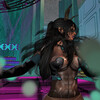
Someone commented on my last post that they had some of my mesh having issues with resizing. I want to always let people know...if you have an issue with the mesh, let me know. In the meantime, I have learned techniques (not mysteries for mesh creators, but I am new at it and slow) that prevent collapse and resizing texture issues. However, those things are always dependent on the piece, the original image that was used, and the texture itself. One of the reasons I include the textures with the pieces under contents is so that people can sharpen them, change the shading, etc. I don't always sharpen my textures. Some of the original images I used are done in styles like impressionistic painters. This make them look differently, but they are consistent upon resizing. I made a little webpage demonstrating some of this, for those that are interested. https://sites.google.com/dynamiclearning.solutions/meshing...

| | Xenon Darrow: They cannot take them away from us in the virtual world. 10 hours ago |

| | LisaHellstein: das wünsche ich euch auch ♥ 11 hours ago |

"For people who cannot take a real cruise — whether due to cost, disability, distance, or circumstance — the MS Axiom offers the complete experience: the elegance, the service, the sea, the stars, the music, and the magic."

Got a pic before the whole sim crashed, ONE of my earlier AI builder spheres still had non return prims and my sim went 370,000 prims over limit and crashed. Lost a months work but it will be fun to rebuild and then more carefully approach AI...
New stuffz @ Stuffz & Junkz!
Located on our furry welcome center in Wolf Territories, The Fleabags Den!
Upstairs in the main store, we have new roleplay weapons upstairs, some great wolfy wall art, amazing food and much more!
Downstairs there are new pieces in the holiday section!
Hop on the teleporter and zoom out to the Fleas Market where the new Stuffz & Junkz outdoor marketz are!
There is some cute, some weird, and some wonderful!
Come on out! Get some stuffz! Get some junkz!
Keep OpenSim free! #SharingisCaring
hop://grid.wolfterritories.org:8002/THE%20FLEABAGS%20DEN/8...
hop://grid.wolfterritories.org:8002/THE%20FLEABAGS%20DEN/7...
Located on our furry welcome center in Wolf Territories, The Fleabags Den!
Upstairs in the main store, we have new roleplay weapons upstairs, some great wolfy wall art, amazing food and much more!
Downstairs there are new pieces in the holiday section!
Hop on the teleporter and zoom out to the Fleas Market where the new Stuffz & Junkz outdoor marketz are!
There is some cute, some weird, and some wonderful!
Come on out! Get some stuffz! Get some junkz!
Keep OpenSim free! #SharingisCaring
hop://grid.wolfterritories.org:8002/THE%20FLEABAGS%20DEN/8...
hop://grid.wolfterritories.org:8002/THE%20FLEABAGS%20DEN/7...
| | MaxFrost: The problem with those items is..if you stretch them they get very unsharp 17 hours ago |

Today is the day to Hop into EDM Party at the Underground Club!
April 5, 2026
Epic 6 hour party!
Today at 10 AM Grid Time the EDM party at the Underground will start.
DJ Light and DJ Emmy will blow the roof off.
DJ Veleroalf maybe also will join to blow the roof off too but he did not confirm.
DJ Light - 10 till 12
DJ Emmy - 12 till 2
DJ Veleroalf - 2 till ...the end.
hop://grid.virtual-worlds.zone:8002/Underground%20OS
April 5, 2026
Epic 6 hour party!
Today at 10 AM Grid Time the EDM party at the Underground will start.
DJ Light and DJ Emmy will blow the roof off.
DJ Veleroalf maybe also will join to blow the roof off too but he did not confirm.
DJ Light - 10 till 12
DJ Emmy - 12 till 2
DJ Veleroalf - 2 till ...the end.
hop://grid.virtual-worlds.zone:8002/Underground%20OS
| | Club: DJ Emmy blew the roof off too! It landed safely just in time for DJ Veleroalf to grab the Decks and he's blowing the roof off too! 18 hours ago |

Last Day to grab your Bunny Outfit for Easter, beside Seasons hg.trianon-world.com:18002:Vesti

I have two new Animesh Buddys! Ironman who: Proximity Scanning for strangers.
Flight Thrusters that activate when you move.
AND HULK HOGAN! Who has all the Hulkster Traits for lots of fun!
Looking for something is particular? I am always looking for ideas! Shoot me a message!
Flight Thrusters that activate when you move.
AND HULK HOGAN! Who has all the Hulkster Traits for lots of fun!
Looking for something is particular? I am always looking for ideas! Shoot me a message!
Honey, I Shrunk the EASTER BUNNY - HALF TIME, but still enough time to have fun down the secret Rabbit Hole,,,, put this in your map to get there...
hop://alternatemetaverse.com:8002/Alternate%20Metaverse/56...
hop://alternatemetaverse.com:8002/Alternate%20Metaverse/56...
Dogpark update
It is a bit of work....but so rewarding!
No need to jump yet, not on copyable or for sale YET.
I will do that as soon as all 170 dogs are in place...yes 170 lol
love
ansjela
| | Yinni Benelli: Watch where you step! =p 20 hours ago |

Hoppel hoppel, Party an –
DJ Kai dreht die Platten,
Plattenschubse Marina dreht komplett durch,
und irgendwo im Hintergrund verliert der Osterhase schon wieder sein Equipment.
Mach's dir gemütlich, schnapp dir ein Getränk
und feiere mit uns eine digitale Oster-Explosion
aus Beats, Chaos und sehr fragwürdigen Tanzmoves.
Dresscode: Hasenohren optional, gute Laune obligatorisch.
Mitbringen: ein Schokoei oder einfach dich selbst.
Wir freuen uns auf dich – es wird eierig! 🐰✨
DJ Kai dreht die Platten,
Plattenschubse Marina dreht komplett durch,
und irgendwo im Hintergrund verliert der Osterhase schon wieder sein Equipment.
Mach's dir gemütlich, schnapp dir ein Getränk
und feiere mit uns eine digitale Oster-Explosion
aus Beats, Chaos und sehr fragwürdigen Tanzmoves.
Dresscode: Hasenohren optional, gute Laune obligatorisch.
Mitbringen: ein Schokoei oder einfach dich selbst.
Wir freuen uns auf dich – es wird eierig! 🐰✨
| | Belze Cherub: HASI PARTY 21 hours ago |
Honey, I Shrunk the Easter Bunny! with DJ Ted
11:00am - 1:00pm Today
Join us at the Veranda for a special Easter Grid Event on the Alternate Metaverse Grid!
Something magical (and slightly mischievous!) has happened to the Easter Bunny… and we’re celebrating in style!
Expect fun, laughter, festive vibes, and plenty of Easter surprises in a fun setting perfect for the whole community.
Bring your friends, your bunny ears, and your Easter spirit — it’s going to be an egg-stra special celebration!
See you at the Veranda!
hop://alternatemetaverse.com:8002/Alternate%20Metaverse/56...
11:00am - 1:00pm Today
Join us at the Veranda for a special Easter Grid Event on the Alternate Metaverse Grid!
Something magical (and slightly mischievous!) has happened to the Easter Bunny… and we’re celebrating in style!
Expect fun, laughter, festive vibes, and plenty of Easter surprises in a fun setting perfect for the whole community.
Bring your friends, your bunny ears, and your Easter spirit — it’s going to be an egg-stra special celebration!
See you at the Veranda!
hop://alternatemetaverse.com:8002/Alternate%20Metaverse/56...
I always wondered what the park would look like with some atmospherics. This shows a newly created 'late-night' shared environment which has a better visual appearance than 'Midnight'. A mesh dome used for the clouds. EEP and a handful of phantom prims fill out the rest. @Jimmy Olsen would love this one, methinks. =D
🚀 WIR HABEN ES WIEDER GETAN!
Der Moment, auf den ihr alle gewartet habt, ist endlich da. Wir setzen neue Maßstäbe und bringen das nächste Level direkt zu euch.
Der neue Skin „ROMAN“ ist eingetroffen! ⚡
Minimalistisches Design trifft auf maximale Performance. Der Roman-Skin ist nicht einfach nur ein Upgrade – er ist ein Statement. Clean, fokussiert und bereit, alles zu dominieren.
Der Moment, auf den ihr alle gewartet habt, ist endlich da. Wir setzen neue Maßstäbe und bringen das nächste Level direkt zu euch.
Der neue Skin „ROMAN“ ist eingetroffen! ⚡
Minimalistisches Design trifft auf maximale Performance. Der Roman-Skin ist nicht einfach nur ein Upgrade – er ist ein Statement. Clean, fokussiert und bereit, alles zu dominieren.
Frisuren für die Herren unter Euch!!!
Hairstyles for the gentlemen among you!!
| | Frankylam: cool hair but dura on secondlife have betta higher quality hair can yo copy it? 23 hours ago |
| | Frankylam: jajaja yo use da pbr viewer nuub 23 hours ago |


|
Belly Dance
2 members |

|
New Enterprise
1 members |

|
ITALIANI IN OPENSIM
9 members |

|
Deutsche Opensims Gemeinde
10 members |

|
Society 3D
1 members |

|
OS GOODIES
10 members |

|
Virtualife italian grid
2 members |

|
That Place Amusements
2 members |
|
Friends
5 members |
