OpenSimWorld is the directory of 3D Virtual Worlds based on OpenSimulator and connected through the HyperGrid. Learn More
New Members
Biacarter, Hermine, VeronicaR, PuckRickenbacker, Caremel225, ManiVarinsdottir, RiahX, Sindy Sweet, Rogue71, Yawncaster, Vanilla, TonyHanscoque, EarthSong, BIAGata, Anastasia, Medusa, Honeycomb, Bettygirl, JamesSawyer, Amany_SawyerLikes
|
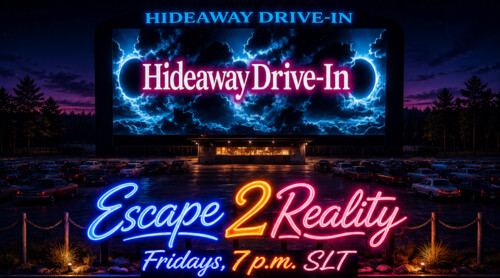
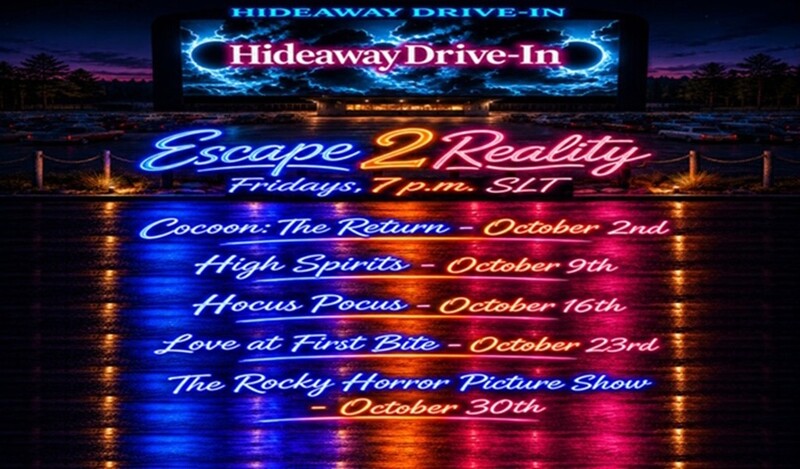
FEATURED Reclusive Retreat 0 Users 3 0 A Home of The Hideaway Drive In Theater!
We Show A Movie Every Friday Night At 7:00 PM SLT.
A Real Live Stream Drive In Theater For Movies.
Please Take The Note card At The Welcome Message To Set You... |
UNO-ON-THE-MOON! COME JOIN US!! NEW! AWESOME GAME! FANTASTIC FUN! monday,tuesday, & thursday nights at 8pm EST (5 SLT). cyberdatastorm.com:8002/CyberCity
 | Thirza Ember: Happy hour ! 3 years ago |


| | falene hawks: formidable bravo 3 years ago |
News at Camballa
Bakeley -Set in 4 colors
metals in Gold-Silver-Bronze
Use the teleporter at the landing point
he takes you everywhere
greet yours
Karin Beckers
Barefoot-Dreamers Grid is now Back online enjoy we apologize for the inconvience but maintenance must be done to keep us going

There are only a few days left this year to enjoy Novale winter. On March 18th, the region will close for a few days in preparation for spring.
https://opensimworld.com/hop/76561-NOVALE
| | Jupiter Rowland: You've heard (or read) him. Go put on your winter coats, get your skis ready and take the tour! Have fun ice-skating on frozen lakes or Clark Griswolding down a hill side! 4 years ago |

Carpe Noctem Mall II is open but it will be under construction as i will be working on new things continuously.
The things at this mall are new textured or new uploaded. You will find things for holidays (Valentine, St. Patrick, Easter,
x-mas, halloween...) fashion for female and male. Decoration products, furniture, Wall hangings and more.
You also find an Artgallery at this place. If you need a break you can use the cafe or seddle down at the farm beside the
market.
Please be patient as im still working on this place to offer you new things in future. I will add them as soon as i have
products ready so check back often.
If you are a creator without own place contact me and you may have a shop for your things at my mall for free.
I wish you a nice day with shopping and walking around. Enjoy your stay if you need something just write i will answer as soon as possible.
hop://alternatemetaverse.com:8002/Carpe Noctem 2/285/336/3000
The things at this mall are new textured or new uploaded. You will find things for holidays (Valentine, St. Patrick, Easter,
x-mas, halloween...) fashion for female and male. Decoration products, furniture, Wall hangings and more.
You also find an Artgallery at this place. If you need a break you can use the cafe or seddle down at the farm beside the
market.
Please be patient as im still working on this place to offer you new things in future. I will add them as soon as i have
products ready so check back often.
If you are a creator without own place contact me and you may have a shop for your things at my mall for free.
I wish you a nice day with shopping and walking around. Enjoy your stay if you need something just write i will answer as soon as possible.
hop://alternatemetaverse.com:8002/Carpe Noctem 2/285/336/3000

NEW!!! Clara Bodysuit
also available in Legacy and Reborn

Ok I have a question for the users who read these posts. This region is clothing for Athena rigged clothing and I was wondering how many of you would be interested in my also releasing the same designs for the Legacy body?? If there is enough intrest for the legacy outfits I will start getting the textures etc ready and do some legacy releases as well as the ongoing Athena releases.
| | KrisTina: You can script a vendor to keep track of what people click the most and then you would know. :) 4 years ago |

Nautilus Cape Cod has reopened its Fish House Restaurant! Have a romantic Dinner or grab a lunch after sailing and exploring the Nautilus Ocean waters. The Restaurant is across from the Marina that has many free boats that work effortlessly on the Nautilus waters. The Restaurant has charming views of Cape Cod which has long term residents. There are free cottages to call home, the last one just became available and sits on its own private Island. ENJOY!
https://opensimworld.com/hop/88735
hg.osgrid.org:80:Cape Cod
https://opensimworld.com/hop/88735
hg.osgrid.org:80:Cape Cod
| | Chad Deischer: Thank you for the likes 4 years ago |


Someone came to make pictures ... thanks to 4ever Solstice
| | MillyAnnMorgana: Very nice picture, dark, moody & Mysterious! Was wondering what size pictures work best to upload here?? 4 years ago |
From walter.bankovitch@stanfordalumni.org Tue Aug 13 16:10:39 2002
Date: Tue, 13 Aug 2002 19:40:46 -0000
From: Walter Bankovitch
To:
Subject: Management Course
Status: RO
Lesson One:
A crow was sitting on a tree, doing nothing all day. A small rabbit
saw the crow & asked him, "Can I also sit like you & do nothing all day
long?" The crow answered: "Sure, why not." So, the rabbit sat on
the ground below the crow, and rested. All of a sudden, a fox appeared,
jumped on the rabbit and ate it.
Management Lesson?
To be sitting and doing nothing, you must be sitting very, very high
up.
Lesson Two:
A turkey was chatting with a bull. "I would love to be able to get to
the top of that tree," sighed the turkey, "but I haven't got the
energy." "Well, why don't you nibble on some of my droppings?" replied
the bull. "They're packed with nutrients." The turkey pecked at a lump of
dung, found it actually gave him enough strength to reach the lowest
branch of the tree. The next day, after eating some more dung, he
reached the second branch. Finally after a fourth night, he was
proudly perched at the top of the tree. Soon he was promptly spotted by
a farmer, who shot the turkey out of the tree.
Management Lesson?
Bull Shit might get you to the top, but it won't keep you there.
Lesson Three:
A little bird was flying south for the winter. It was so cold the bird
froze and fell to the ground in a large field. While it was lying
there, a cow came by and dropped some dung on it. As the frozen bird lay
there in the pile of cow dung, it began to realize how warm it was.
The dung was actually thawing him out! He lay there all warm and
happy, and soon began to sing for joy. A passing cat heard the bird singing
and came to investigate. Following the
sound, the cat discovered the bird under the pile of cow dung
and promptly dug him out and ate him.
Management Lesson?
1) Not everyone who shits on you is your enemy.
2) Not everyone who gets you out of shit is your friend.
3) And when you're in deep shit, it's best to keep your mouth shut!
Here endeth your management course.
____________________________________________________________________
Date: Tue, 13 Aug 2002 19:40:46 -0000
From: Walter Bankovitch
To:
Subject: Management Course
Status: RO
Lesson One:
A crow was sitting on a tree, doing nothing all day. A small rabbit
saw the crow & asked him, "Can I also sit like you & do nothing all day
long?" The crow answered: "Sure, why not." So, the rabbit sat on
the ground below the crow, and rested. All of a sudden, a fox appeared,
jumped on the rabbit and ate it.
Management Lesson?
To be sitting and doing nothing, you must be sitting very, very high
up.
Lesson Two:
A turkey was chatting with a bull. "I would love to be able to get to
the top of that tree," sighed the turkey, "but I haven't got the
energy." "Well, why don't you nibble on some of my droppings?" replied
the bull. "They're packed with nutrients." The turkey pecked at a lump of
dung, found it actually gave him enough strength to reach the lowest
branch of the tree. The next day, after eating some more dung, he
reached the second branch. Finally after a fourth night, he was
proudly perched at the top of the tree. Soon he was promptly spotted by
a farmer, who shot the turkey out of the tree.
Management Lesson?
Bull Shit might get you to the top, but it won't keep you there.
Lesson Three:
A little bird was flying south for the winter. It was so cold the bird
froze and fell to the ground in a large field. While it was lying
there, a cow came by and dropped some dung on it. As the frozen bird lay
there in the pile of cow dung, it began to realize how warm it was.
The dung was actually thawing him out! He lay there all warm and
happy, and soon began to sing for joy. A passing cat heard the bird singing
and came to investigate. Following the
sound, the cat discovered the bird under the pile of cow dung
and promptly dug him out and ate him.
Management Lesson?
1) Not everyone who shits on you is your enemy.
2) Not everyone who gets you out of shit is your friend.
3) And when you're in deep shit, it's best to keep your mouth shut!
Here endeth your management course.
____________________________________________________________________

Die HG-Safari kommt
Region: Dorenas World
Event begins: in 2 hours : 2023-02-08 11:00 SLT
Added by: Dorena Verne✦
Details:
Am Mittwoch den 8.2. erwarten wir um 21:00 Uhr den "Überfall" der HG-Safari.
Wir treffen uns deshalb ab 20:00 Uhr zu einer kleinen Party im Dorena Park.
Taxi: http://Dorenas-World.de:8002:Dorenas World
(Ihr landet im DW-Center - der Fussweg in den Dorena-Park ist dann gekennzeichnet ...)
Region: Dorenas World
Event begins: in 2 hours : 2023-02-08 11:00 SLT
Added by: Dorena Verne✦
Details:
Am Mittwoch den 8.2. erwarten wir um 21:00 Uhr den "Überfall" der HG-Safari.
Wir treffen uns deshalb ab 20:00 Uhr zu einer kleinen Party im Dorena Park.
Taxi: http://Dorenas-World.de:8002:Dorenas World
(Ihr landet im DW-Center - der Fussweg in den Dorena-Park ist dann gekennzeichnet ...)
Moonrose Presents Dj Silver with Trance
ab 20.00Uhr 11 SLT
The Best Tunes for a New Week-Tune in and Dance out
moonrose-grid.de:8002:Moonrose Club
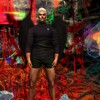
Welcome to Bubble Land 3D Art experience!
Bubble Land 3D Artscape is created by Nyx Breen, with 40 years of real-life photography and 17 years of virtual, and 6 years of gaming world content creation.
Bubble Land "Veris Dream" is a joint effort between Veritas McMaster and Nyx Breen to produce an immersive interactive art experience.
This is the last creation that Veri and Nyx worked on.
Veri passed on 12/23/2022; her love of virtual worlds and desire for all to be included and participate in the process was her vision in real and virtual lives.
Please celebrate the vision and dream of this remarkable individual on 1/28/2023 @ 11SLT, Pangea Grid.
hop://pangeagrid.de:8002/Immersive%202/953/130/323
Bubble Land is a single art creation spread across a 4x4 VAR that is a thousand meters tall. (16 regular SL sims).
You can explore Bubble Land in several ways, a visit to the skybox to look and be amazed. Use the teleporter system to a dozen key locations. Walk and fly through the piece and discover a different look and experience with each turn of your avatar.
Los Suenos de la Muertos The Dreams of the Dead is a cocreation of Veritas McMaster and Nyx Breen that was presented at the OSCC OpenSimulator Community Conference this past 12/10-11, 2022. The art piece and the real-life experience were explored and explained.
Los Suenos de la Muertos can be experienced at,
hop://pangeagrid.de:8002/Immersive/507/514/21
Looking forward to meeting you and sharing the experience Veri loved.
Nyx Breen
Bubble Land 3D Artscape is created by Nyx Breen, with 40 years of real-life photography and 17 years of virtual, and 6 years of gaming world content creation.
Bubble Land "Veris Dream" is a joint effort between Veritas McMaster and Nyx Breen to produce an immersive interactive art experience.
This is the last creation that Veri and Nyx worked on.
Veri passed on 12/23/2022; her love of virtual worlds and desire for all to be included and participate in the process was her vision in real and virtual lives.
Please celebrate the vision and dream of this remarkable individual on 1/28/2023 @ 11SLT, Pangea Grid.
hop://pangeagrid.de:8002/Immersive%202/953/130/323
Bubble Land is a single art creation spread across a 4x4 VAR that is a thousand meters tall. (16 regular SL sims).
You can explore Bubble Land in several ways, a visit to the skybox to look and be amazed. Use the teleporter system to a dozen key locations. Walk and fly through the piece and discover a different look and experience with each turn of your avatar.
Los Suenos de la Muertos The Dreams of the Dead is a cocreation of Veritas McMaster and Nyx Breen that was presented at the OSCC OpenSimulator Community Conference this past 12/10-11, 2022. The art piece and the real-life experience were explored and explained.
Los Suenos de la Muertos can be experienced at,
hop://pangeagrid.de:8002/Immersive/507/514/21
Looking forward to meeting you and sharing the experience Veri loved.
Nyx Breen

TO THOSE GRIDS THAT BLOCK US...
There are 7 of us, me who made the grid for the others, and 6 students, who rotate. We don't even change our avatar, we still have the same clothes, skin...
We like to go to the list of new regions to see what people have made new. If you don't want us to go, why advertise them on this site?
If you're afraid we'll rip you off, we dare you to find something on our grid that's not for sale. Even, when there is some special work, we post it and next to it we put a link to your grid (as in the case of Cherry Manga, Flora, Lani...).
We are not your competition in anything, we don't rent regions, we are not interested in users (although they are welcome if they prefer to be here).
As we said in another post, if someone wants something of what we do, ask us, we almost always forget to put it in copy or for sale).
In fact, the Welcome region, we have made it with links to this site and to places that we believe that anyone who comes to Opensim should know, because of their work.
On the other hand, we are disappointed with the people... it is sad, when they pass by you and even if you say hello, you do not receive the slightest sign of friendship. This is what hurts us the most (in our homes we are always forced since we were kids to say "hello" when you arrive and "goodbye" when you leave), indifference is punished with a "scolding".
We are so few and this is the relationship we are looking for... not even a "hello"... but a "don't come closer, I won't let you".
So, after this rambling, I leave you with the image of the endangered species of freshwater fish, which I'm sure we have stolen from Kittely or some similar site :))))
Long live freedom and death to the Troll!!!
There are 7 of us, me who made the grid for the others, and 6 students, who rotate. We don't even change our avatar, we still have the same clothes, skin...
We like to go to the list of new regions to see what people have made new. If you don't want us to go, why advertise them on this site?
If you're afraid we'll rip you off, we dare you to find something on our grid that's not for sale. Even, when there is some special work, we post it and next to it we put a link to your grid (as in the case of Cherry Manga, Flora, Lani...).
We are not your competition in anything, we don't rent regions, we are not interested in users (although they are welcome if they prefer to be here).
As we said in another post, if someone wants something of what we do, ask us, we almost always forget to put it in copy or for sale).
In fact, the Welcome region, we have made it with links to this site and to places that we believe that anyone who comes to Opensim should know, because of their work.
On the other hand, we are disappointed with the people... it is sad, when they pass by you and even if you say hello, you do not receive the slightest sign of friendship. This is what hurts us the most (in our homes we are always forced since we were kids to say "hello" when you arrive and "goodbye" when you leave), indifference is punished with a "scolding".
We are so few and this is the relationship we are looking for... not even a "hello"... but a "don't come closer, I won't let you".
So, after this rambling, I leave you with the image of the endangered species of freshwater fish, which I'm sure we have stolen from Kittely or some similar site :))))
Long live freedom and death to the Troll!!!

Der Bau der Wikinger geht weiter, der kalte Norden und der Winter kommen immer näher.
hg.cc-group.cc:8002:CCI Lofoten
The construction of the Vikings continues, the cold north and winter are getting closer.
hg.cc-group.cc:8002:CCI Lofoten
The construction of the Vikings continues, the cold north and winter are getting closer.
| | Virtual Melody Grid: I love it! 4 years ago |
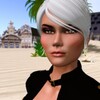
This sweet lady was Jackie, Softwhisper Littlewing who was a DJ I got to know in Second Life and she was amazing and so much fun. We lost Jackie in 2020 to cancer and she will be forever missed and loved. I designed this memorial to her as a DJ she so loved music and dance.

Yay, here I am at Paris in AMV! Took me a bit of time last night to settle on a basic look. I'm sporting the Athena body with the Lelutka Erin head, same as my OSgrid avi, but lighter skin. I've also tried to add a bit more thickness to her compared to the other one.
I'd love to age myself a bit more here. That's not a typo! Is there a good store in Open Sim that has aged body skins? I have tried out the aged face skins from the BoM pack and they do work well, but I could use some body freckles and veins for a more convincing aged look. Not too old, let's say 45-55, basically my age group IRL.
TIA :)
I'd love to age myself a bit more here. That's not a typo! Is there a good store in Open Sim that has aged body skins? I have tried out the aged face skins from the BoM pack and they do work well, but I could use some body freckles and veins for a more convincing aged look. Not too old, let's say 45-55, basically my age group IRL.
TIA :)

We are Back after a maintenance!
Our Grid was set up new, so your old Landmarks will no longer work!!!
Come over and Grab new ones and take a look at the Skymall
and explore our other Regions.
Have fun!
Our Grid was set up new, so your old Landmarks will no longer work!!!
Come over and Grab new ones and take a look at the Skymall
and explore our other Regions.
Have fun!
It has come to my attention that many of the sound players were broken in dragonfyre due to an opensimulator version upgrade. As a result I have re-made the sound players for dragonfyre and put them in a box at wizardry region. This includes birds, ocean, waterfall, doves cooing, crickets, and more. Simply put these phantom boxes out, and make them transparent. They will play the sounds they are labeled with.
| | KrisTina: Good job. :) 4 years ago |
In light of all the complaining about "copybotting" we have decided to give a "Builder's School" a shot, but this is strictly for beginners. If you are a seasoned builder it's not for you, however, if you'd like to share tips and building ideas to help other's become awesome builders it would be most welcome. If we get enough interest, we will set out a region and beacon and set up a day of the week when we can help teach building all manner of things from homes to hats and more. If you are interested in learning to build and give your grid original and unique content, these classes may just be for you. We will be teaching not only prim building, but how to turn that into mesh and also terraforming and landscaping as well as texture aligning and including many tips that make building in Open Sim a really "FUN" experience. If you would like to take these classes please contact me, Lavia Lavine, here in the OSW page via private message and I'll forward the information to you. -- Much Love, Lavia

Mal ein wenig Feinschliff. :-)
A little fine-tuning. :-)

MashUp is now completed with several floors of props, poses, and images.
This can be a great creative outlet and can be used to tell stories and express emotions. MashUp images you take can be used in your ads. virtual-hg.com:8002:MashUp
This can be a great creative outlet and can be used to tell stories and express emotions. MashUp images you take can be used in your ads. virtual-hg.com:8002:MashUp
Ein frohes neues Jahr wünschen wir Euch allen. Der Grid-Talk findet am 3.1.2023 um 20:00 Uhr in Nabilas World statt. Wir freuen uns auf rege Anteilnahme.
Taxi: nabila-world.de:8002:New Hope

Happy New Year .. NEWs at the Mainstore
Wir feiern Silver sein Birthday
seid dabei
mare-grid.de:8002:Mare Welcome

OpenSim is a really good place to discover all kinds of art.
https://opensimworld.com/hop/85601?doStar=1

Have a Merry Christmas and a Happy New Year for 2023!!!

Sending our Love and Peace to You All
From all of us on grid.genesis-roleplay.org, to everyone in open sim. May you truly find peace and joy this Christmas and throughout the coming new year.
Wünsche euch allen einen schönen 4 Advent. :-)
I wish you all a happy 4th advent. :-)
| | Jamie Wright: Your outfit is adorable. I need to come visit Doreena's World again. You always do Christmas in such a fantastic way:) 4 years ago |

https://www.youtube.com/watch?v=o1I9o5Oeo-A
This video was filmed live at the Copperville Holiday Celebration.
It features a presentation of Charles Dicken's "A Christmas Carol" by Charles Dickens
We gathered around the parlor and enjoyed the storytelling of Shandon Loring as we became immersed in the wonderful sets and characters created by Koshari Mahana & Kimm Starr.
A good time was had by all as most everyone came in period costumes as well. Kudos to everyone and Merry Christmas!
This video was filmed live at the Copperville Holiday Celebration.
It features a presentation of Charles Dicken's "A Christmas Carol" by Charles Dickens
We gathered around the parlor and enjoyed the storytelling of Shandon Loring as we became immersed in the wonderful sets and characters created by Koshari Mahana & Kimm Starr.
A good time was had by all as most everyone came in period costumes as well. Kudos to everyone and Merry Christmas!
| | Symphony: Wonderful. loved the video version also. thank you for doing this and sharing 4 years ago |

Elsa and Anna are residents of the Frozen Mountain
You may encounter them along the cross-country ski path.
| | Jerralyn Franzic: Oh... now this is super cute lol 4 years ago |
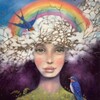
The Answer Is Yes
The question? Has this outfit simply been updated, or is it new? The answer is yes. The dress and panties are the same. New: hair and boots. It's like those products advertised as "new and improved." Can it be both new and improved? The answer is yes.
oh HELLO: Outfit with Options
grid.copykat.ovh:12000:Xinashi
The question? Has this outfit simply been updated, or is it new? The answer is yes. The dress and panties are the same. New: hair and boots. It's like those products advertised as "new and improved." Can it be both new and improved? The answer is yes.
oh HELLO: Outfit with Options
grid.copykat.ovh:12000:Xinashi
| | Arponera: Party!!! 4 years ago |
!!! NEW RELEASE !!!
*** Holiday Striped T-Shirt Dress ***
Available in 9 color combinations and found in the RRD Christmas Creations Shop.
NEWs at my Mainstore :))
NEWs at my Mainstore :))

Bei uns im Grid auf dem Weihnachtsmarkt. :-)
With us in the grid at the Christmas market. :-)
Ich kann es nicht lassen.^^
Leider musste ich die Kommentarfunktion blocken, da eine Person, die sich hier Funara nennt, meinte mich beleidigen zu müssen. Keine Ahnung wessen Alt, das nun ist, aber das muss ich mir nicht geben, sorry.
Leider musste ich die Kommentarfunktion blocken, da eine Person, die sich hier Funara nennt, meinte mich beleidigen zu müssen. Keine Ahnung wessen Alt, das nun ist, aber das muss ich mir nicht geben, sorry.
grid.kitely.com:8002:ANVIL-Island
We are now fully open for the Christmas Season with many fun events being planned. We have many things to do and see like the Christmas Parade, The largest and most beautiful and complex underwater Minature sub-ride that you control in all of OS & SL guaranteed, and much much more.
Drop me an IM and if I can I will give you a personal tour. We have a great team of builders and entertainers and are always looking for more.
I /we wish you all a blessed Holiday season no matter where and who you are. PEACE!
We are now fully open for the Christmas Season with many fun events being planned. We have many things to do and see like the Christmas Parade, The largest and most beautiful and complex underwater Minature sub-ride that you control in all of OS & SL guaranteed, and much much more.
Drop me an IM and if I can I will give you a personal tour. We have a great team of builders and entertainers and are always looking for more.
I /we wish you all a blessed Holiday season no matter where and who you are. PEACE!
| | Mykal: Thank you so much from all of our team. Have a wonderful Holiday Season! 4 years ago |
Live Traffic
|
4 |
The Mall A 42 17 |
|
4 |
Lady Godiva sex club adult social A 4 0 |
|
5 |
Roughnexx-Cathedral A 14 3 |
|
4 |
Hypergrid Games 12 7 |
|
6 |
Little Big City Shopping Mall 22 0 |
|
3 |
VB Creations A 10 0 |
|
3 |
ALBA SEX CLUB A 35 3 |
|
6 |
Ruritania A 28 9 |
|
7 |
Club LJ A 1 0 |
|
6 |
Gummybear Island 72 1 |
|
5 |
Lbsa Plaza 212 42 |
|
4 |
SciattiShopClothes A 171 10 |
|
3 |
Trianon Complex A 104 21 |
|
13 |
Alternate Metaverse 110 4 |
|
5 |
Moonlight Shadows A 3 0 |
|
Regions Online:
1,980
Active: 291 avatars in 184 regions | |


Upcoming Events
| view all |
| 4 minutes ago Alternate Metaverse 3 |
| in 56 minutes Alternate Metaverse 3 |
| in 2 hours LinkUp Welcome 1 |
| in 2 hours Alternate Metaverse 2 |
| in 3 hours Alternate Metaverse 2 |
| in 4 hours MusicCallBay 0 |
| in 5 hours Tropicana Tuneage 1 |
| in 5 hours AMV Events 2 |
| in 5 hours Rooftop-Events 1 |
| in 6 hours Abraham Entertainment Venues 1 |
New Comments
Frank Hurt 12 hours ago
interesting; is this kind of intended as a Gloebit alternative? Do you have a catalog of regions and stores which accept this currency? It's a lot to ask of someone to entrust funds in a brand-new sys...
context
Roland Francis 13 hours ago
AI has been good to you, enhancing your scripting skills. What an UPgrade!
context
Reviews
ALIFE VIRTUAL OFFICE
It's a very, very odd space. You log into already having like 10 plus people on your friends list... none of them you know. All of them work for the grid. All most of the items you can buy are freebie...
Nocturne 10 hours ago
The Oar Shop
The only Current Marketplace for Oars That use the DTL/NSL money server with Podex.. Instant Transfers of both Currency and The Item. Free Oars and Textures as well!
JoshBoam✦ 13 hours ago
Fleetwood Beach
Other than wat is already said, I was quite impressed with such a marvel region in a theme that I adore, fabulous builds, VERY original lay-out and the scripted thingies were done with a ton of attent...
Roland Francis 16 hours ago
Willowbrook Gardens
The region is NEW and yet I get a feeling of bliss when I step through this garden.
Spax Orion✦ yesterday
Free Life Gatsby Gardens
Horse back riding was a blast I enjoyed enjoyed it thoroughly beautiful scenery Horses are awesome I mean just so many different homes there that you can look at and free stuff everywhere Wanna go on ...
Adore✦ yesterday
Whispering Willows
This Sim is an incredible amazing maze. You need a compass so you don't get lost. Who the Hell has invested 100 years in creating this stunning place?
Marie✦ 2 days ago
Willowbrook Gardens
Very lovely and very useable items here. Detailed flowers, good garden stock and landscaping. Thank you for sharing!!
Nine 2 days ago
LinkUp Welcome
Ich mag Linkup Grid sehr. Es ist ein sehr freundlicher Ort mit sehr netten Menschen und auf jeden Fall sehr hilfsbereit – auch wenn es nicht dein eigenes Grid ist. Dafür gibt es von mir ganz klar fünf...
AmoreMio 3 days ago
